3 hours agoPolitics
31LENS
7 SourcesNew Delhi, India
 thebalanced.news
India Eases Kerosene Distribution Rules Amid West Asia Energy Supply Disruptions
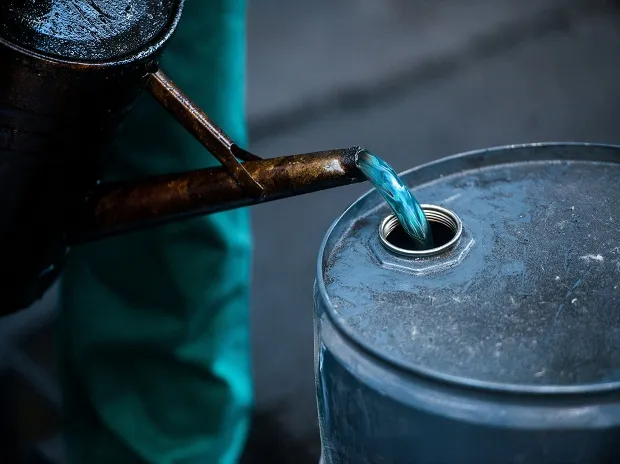
In response to disruptions in global energy supplies caused by the ongoing West Asia conflict, the Indian government has relaxed petroleum safety and licensing norms to expedite kerosene distribution for cooking and lighting. This temporary measure allows up to two designated petrol pumps per district in 21 states and Union Territories to store and sell kerosene, including areas previously phased out under the Public Distribution System. The relaxation, effective for 60 days, aims to support households amid LPG supply concerns while maintaining safety regulations. Concurrently, India continues to expand piped natural gas connections and secure LPG shipments to stabilize fuel availability.
Political Bias
9%83%8%
Sentiment
63%
21 stories available
View AI Analysis
Bias Analysis: The article group presents a largely neutral government-focused perspective, emphasizing official measures to address energy supply challenges due to the West Asia conflict. Coverage includes government notifications and statements without partisan commentary. While some sources highlight the government's proactive steps, others note the broader context of energy security and supply diversification, reflecting a consensus on the issue's urgency without evident political polarization.
Sentiment: The overall tone across the articles is pragmatic and informative, focusing on government actions to mitigate energy supply disruptions. The sentiment is generally neutral to cautiously optimistic, highlighting efforts to ensure household fuel access and maintain stability amid geopolitical tensions. There is no overtly positive or negative language; instead, the coverage underscores practical responses and ongoing challenges in energy supply management.
Lens Score: 31/100 — Story is well-covered by media outlets. Public interest: 0/100. Coverage gap: 100%.
Related Coverage
Select a news story to see related coverage from other media outlets.