Delhi Notifies Permanent Winter Pollution Plan with Year-Round PUC and Work-From-Home Rules
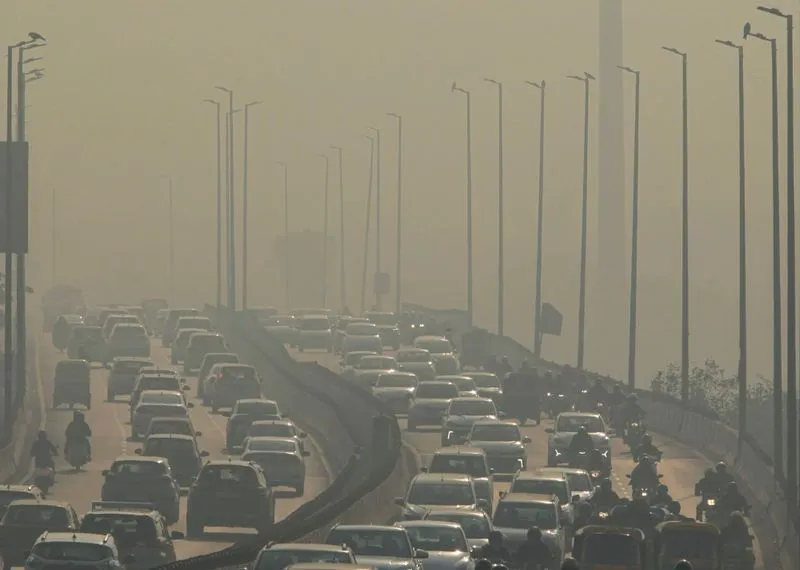
The Delhi government has introduced a permanent Winter Pollution Master Plan effective annually from November 1 to February 28 to address seasonal air pollution. Key measures include mandatory year-round Pollution Under Control (PUC) certificates for refuelling, restrictions on non-BS-VI commercial vehicles registered outside Delhi during peak months, a ban on demolition and construction activities from November to January, 50% work-from-home mandates for offices, and doubled parking charges. These steps aim to reduce vehicular emissions, dust, and waste burning, consolidating previous orders into a single enforceable framework.
First-hand measurement across 12 sources
We measured how 12 outlets covered this story. Coverage leans balanced overall (Left 15%, Centre 79%, Right 6%). Overall sentiment is positive (66/100). Lens Score 36/100 — moderate-to-low public interest.
Outlets analysed (first-hand measurement by TBN's Bias Engine):
- thefinancialexpress— balanced framing, neutral sentiment
- timesnow— balanced framing, neutral sentiment
- indiatoday— balanced framing, positive sentiment
- hindustantimes— balanced framing, positive sentiment
- english— balanced framing, neutral sentiment
- thestatesman— balanced framing, positive sentiment
- businessstandard— balanced framing, neutral sentiment
- economictimes— balanced framing, positive sentiment
AI Analysis
The article group presents a largely administrative and policy-focused perspective, emphasizing government initiatives to combat pollution without partisan framing. Coverage includes official statements from the Delhi government and Chief Minister Rekha Gupta, highlighting policy details and enforcement mechanisms. Opposition or critical viewpoints are absent, reflecting a consensus on the need for pollution control rather than political debate.
The overall tone across the articles is neutral to cautiously optimistic, focusing on proactive government measures to address Delhi's recurring winter pollution. While acknowledging the severity of air quality issues, the coverage emphasizes structured, preventive policies and enforcement plans. There is limited emotional language, with the narrative centered on regulatory actions and public health objectives.