Union Cabinet Approves Rs 9,585 Crore Scheme to Replace Old Commercial Vehicles in Delhi-NCR
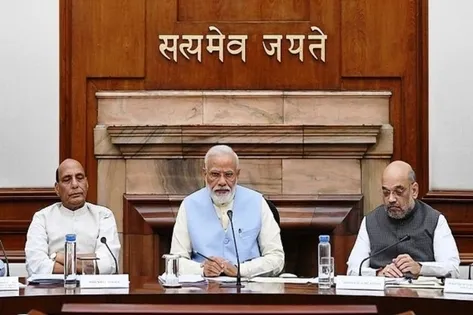
The Union Cabinet approved a Rs 9,585 crore scheme to replace over 2 lakh old trucks and buses in the Delhi-NCR region with cleaner BS-VI-compliant or electric vehicles. Implemented by the National Capital Region Planning Board and multiple ministries, the scheme offers financial incentives including 5% interest subvention, fuel vouchers, tax concessions, and manufacturer discounts. It aims to reduce vehicular emissions, improve air quality, and support operators in Delhi, Haryana, Rajasthan, and Uttar Pradesh, with implementation expected by late 2023.
First-hand measurement across 10 sources
We measured how 10 outlets covered this story. Coverage leans balanced overall (Left 10%, Centre 80%, Right 10%). Overall sentiment is positive (72/100). Lens Score 38/100 — moderate-to-low public interest.
Outlets analysed (first-hand measurement by TBN's Bias Engine):
- zeenews— balanced framing, positive sentiment
- economictimes— balanced framing, positive sentiment
- ndtv— balanced framing, positive sentiment
- hindustantimes— balanced framing, positive sentiment
- ndtv— balanced framing, positive sentiment
- thetribune— balanced framing, positive sentiment
- businessstandard— balanced framing, positive sentiment
- businessstandard— balanced framing, positive sentiment
AI Analysis
The article group presents a largely government-focused perspective highlighting official announcements and policy details. Sources emphasize the scheme's environmental and economic benefits, with some including expert endorsements. There is minimal opposition or critical viewpoints, reflecting a consensus on the need for pollution control measures. The coverage frames the initiative as a collaborative effort among central and state governments without partisan framing.
The overall tone across the articles is positive, emphasizing the scheme's potential to improve air quality and support cleaner transportation. Coverage highlights incentives and expected benefits, with expert comments reinforcing the initiative's value. There is limited discussion of challenges or drawbacks, resulting in an optimistic sentiment focused on environmental and public health improvements.