China's Ethnic Unity Law Faces International Criticism and Tibetan Protests
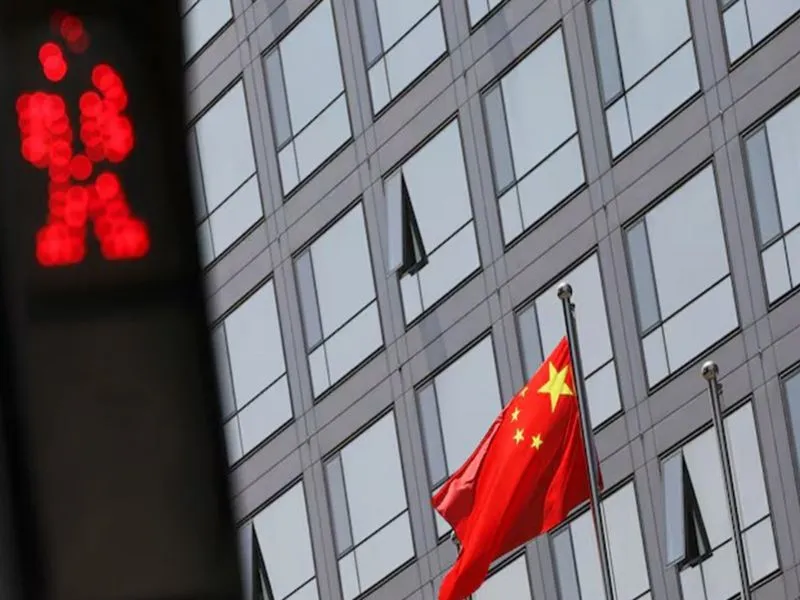
China's new "Law on Promoting Ethnic Unity and Progress," effective July 1, has drawn international criticism for threatening the cultural identity and rights of Tibetans, Uyghurs, and other ethnic minorities. The Central Tibetan Administration (CTA) and activists warn the law codifies forced assimilation, mandating Mandarin instruction and expanding state surveillance. At a UN Human Rights Council event, experts and diplomats urged stronger international monitoring and accountability. Tibetan leaders and NGOs have called for global condemnation and repeal of the legislation, citing violations of international human rights obligations.
First-hand measurement across 4 sources
We measured how 4 outlets covered this story. Coverage leans left-leaning overall (Left 70%, Centre 28%, Right 2%). Overall sentiment is negative (27/100). Lens Score 46/100 — moderate-to-low public interest.
Outlets analysed (first-hand measurement by TBN's Bias Engine):
- thetribune— left-leaning framing, negative sentiment
- news18— left-leaning framing, negative sentiment
- thetribune— left-leaning framing, negative sentiment
- thetribune— left-leaning framing, negative sentiment
AI Analysis
The article group primarily reflects perspectives critical of China's Ethnic Unity Law, emphasizing concerns from the Central Tibetan Administration, Tibetan activists, and human rights advocates. It includes viewpoints from international bodies like the UNHRC and European Parliament condemning the law. The sources frame the law as a threat to ethnic minorities, with limited representation of the Chinese government's rationale, focusing instead on opposition and calls for accountability.
The overall tone across the articles is critical and concerned, highlighting the negative impact of the law on ethnic minorities' cultural and linguistic rights. The sentiment is largely negative toward the legislation, emphasizing fears of forced assimilation and repression. Calls for international action and protests convey urgency and alarm, with no positive or neutral assessments of the law presented.