UK Enforces Ban on Junk Food Ads on Daytime TV and Online to Address Childhood Obesity
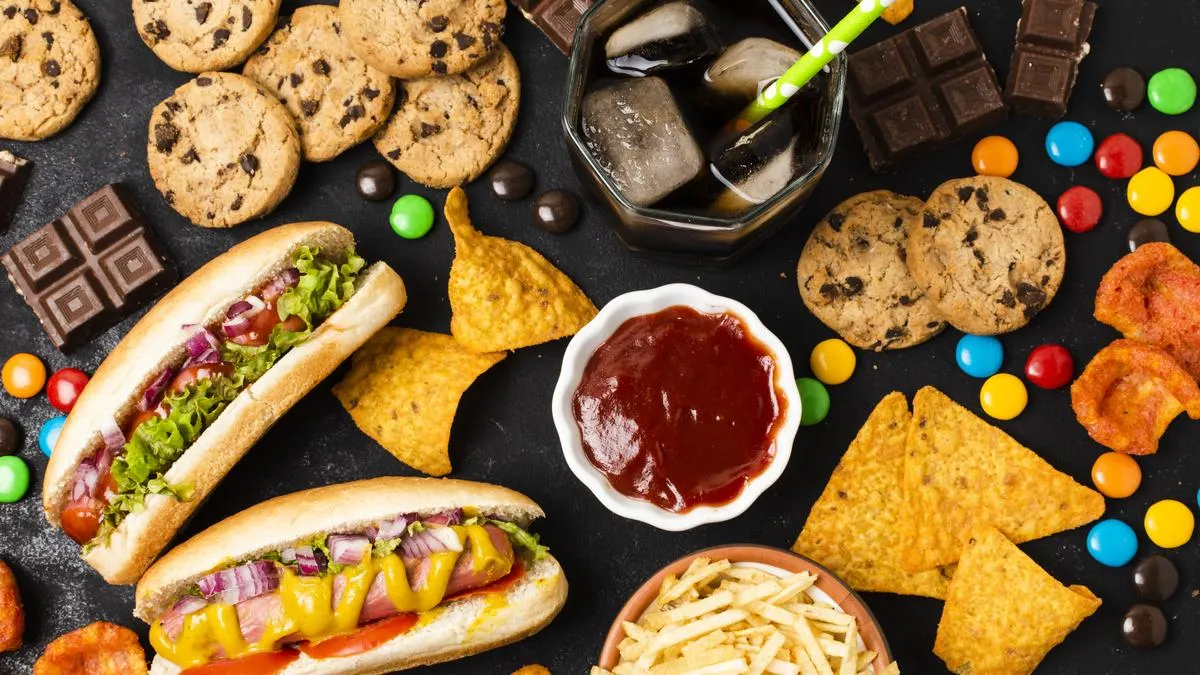
The UK government implemented a ban on junk food advertisements on daytime TV before 9 pm and online at all times starting January 5, 2026, aiming to reduce childhood obesity. Targeting foods high in fat, sugar, and salt, the ban is expected to cut 7.2 billion calories from children's diets annually, potentially lowering obesity cases by 20,000 and saving around £2 billion in health costs. The measure complements other actions like an extended sugar tax and local authority powers to restrict fast food outlets near schools. Officials cite evidence linking advertising to unhealthy eating habits and related health issues among children.
First-hand measurement across 7 sources
We measured how 7 outlets covered this story. Coverage leans balanced overall (Left 27%, Centre 45%, Right 28%). Overall sentiment is positive (69/100).
Outlets measured: wion, thetribune, news18, businessstandard, firstpost, ndtv, thehindu. See how each one headlined and framed the same story in the source comparison below.
AI Analysis
All 7 outlets scored close to centre on political lean. The real divergence here is in emphasis, not lean — compare the headlines below to see how each outlet chose to frame the same facts.
Sentiment was consistent across outlets (65–75/100), indicating broadly factual reporting rather than editorialising.
Coverage timeline
thehindu broke this story on 5 Jan, 07:27 am. Other outlets followed.