Punjab Sanitation Workers' Strike Causes Garbage Accumulation and Disruptions Amid Ongoing Talks
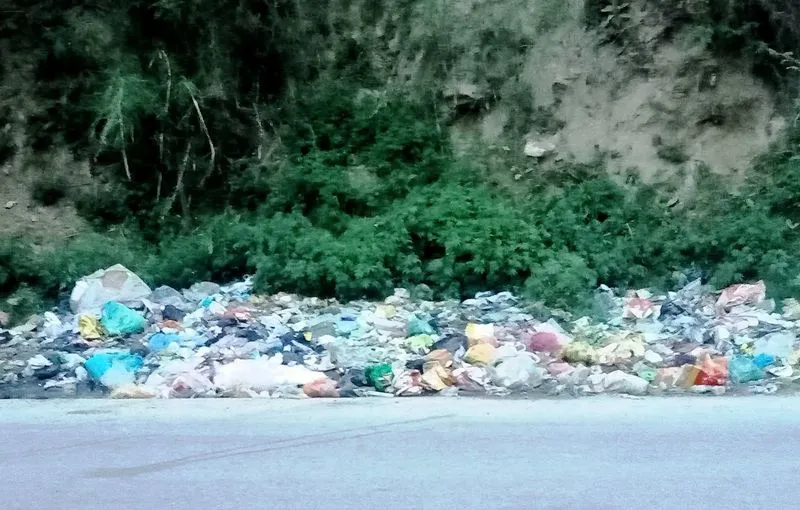
Sanitation workers in Punjab have been on an indefinite strike for over ten days, demanding regularisation and better employment benefits. The strike has led to mounting garbage piles in major towns, including Nangal, Ropar, and Anandpur Sahib, causing health concerns amid rising temperatures. Protests escalated when workers dumped dead animals and waste at the Nangal Municipal Council office, disrupting operations. Government officials held talks but deferred formal commitments until after municipal elections, while workers demand written assurances to end the strike.
First-hand measurement across 2 sources
We measured how 2 outlets covered this story. Coverage leans balanced overall (Left 40%, Centre 55%, Right 5%). Overall sentiment is negative (28/100). Lens Score 38/100.
Outlets measured: thetribune, thetribune. See how each one headlined and framed the same story in the source comparison below.
AI Analysis
All 2 outlets scored close to centre on political lean. The real divergence here is in emphasis, not lean — compare the headlines below to see how each outlet chose to frame the same facts.
Sentiment was consistent across outlets (25–30/100), indicating broadly factual reporting rather than editorialising.
Coverage timeline
thetribune broke this story on 15 May, 05:16 pm. Other outlets followed.