Health Experts Monitor Disease Risks Ahead of 2026 World Cup with New Surveillance Measures
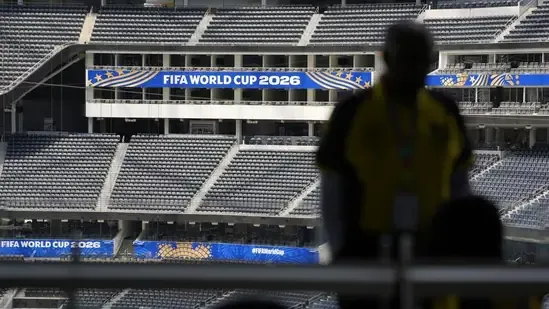
As the 2026 World Cup approaches, health experts highlight measles as the primary disease threat due to its high transmissibility in large crowds, with US cases already exceeding previous years. Ebola risk is considered low, with travel restrictions and isolation protocols in place for affected regions. To monitor potential outbreaks, a new epidemiological command center in Georgetown will analyze wastewater using genetic sequencing, providing real-time data to health authorities and event organizers amid concerns over strained public health resources and past budget cuts.
First-hand measurement across 2 sources
We measured how 2 outlets covered this story. Coverage leans balanced overall (Left 25%, Centre 70%, Right 5%). Overall sentiment is neutral (58/100). Lens Score 33/100.
Outlets measured: theprint, hindustantimes. See how each one headlined and framed the same story in the source comparison below.
AI Analysis
All 2 outlets scored close to centre on political lean. The real divergence here is in emphasis, not lean — compare the headlines below to see how each outlet chose to frame the same facts.
Sentiment was consistent across outlets (50–65/100), indicating broadly factual reporting rather than editorialising.
Coverage timeline
hindustantimes broke this story on 8 Jun, 12:14 am. Other outlets followed.