Skip to content
Get the Balanced News app for a better experience!
The Balanced News Logo
Analytics
The Balanced News Logo

Stay Balanced, Stay Informed

Menu
  • Browse News
  • Underreported Stories
  • Curated Feeds
  • Insights
  • Analytics
  • Our Writers
  • About Us
  • Download App
Learn
  • How It Works
  • Bias Detection
  • Lens Score
  • Source Bias Checker
  • Accountability
  • Custom Feeds
Newsroom
  • Writers & Analysts
  • About TBN
  • Editorial Standards
  • Corrections Policy
  • Our Partners
  • Insights
Socials
  • Youtube
  • Instagram
  • X
  • Facebook
News Categories
  • Trending
  • Politics
  • Sports
  • Business
  • Tech
  • Entertainment
  • Health
  • Science
  • Crime
  • Lifestyle
  • National
  • International
  • Good News
  • Crypto

Get Our App

Available for iOS and Android


LensFeedsInsightsAnalyticsTrendingGood NewsSportsPoliticsBusinessCrimeTechEntertainmentHealthNationalInternational

© 2026 The Balanced News. All rights reserved.

About UsEditorial StandardsCorrectionsHelp & SupportPrivacy PolicyTerms & Conditions
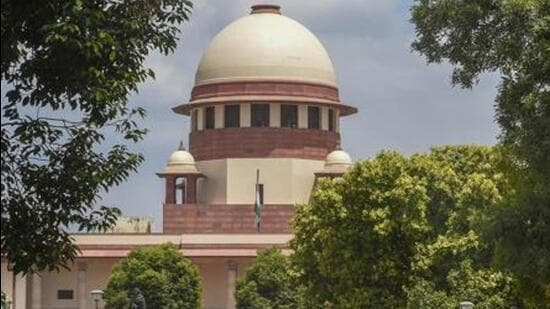
Supreme Court Balances Waqf Act Provisions with Property Rights in Legal Challenge
Categories

Categories

Related Coverage

Select a news story to see related coverage from other media outlets.

Related Coverage

Select a news story to see related coverage from other media outlets.

  1. Home
  2. /
  3. social

Supreme Court Balances Waqf Act Provisions with Property Rights in Legal Challenge

Analysed 16 Sept 2025·1 source analysed·New Delhi, Delhi, India·social
Supreme Court Balances Waqf Act Provisions with Property Rights in Legal ChallengePreviousNext

The Supreme Court has declined to suspend the Waqf (Amendment) Act, 2025 entirely, but has placed certain provisions with potentially irreversible consequences for property rights in abeyance. The court emphasized the presumption of constitutionality for laws, placing the burden on challengers to prove violations. This approach seeks to balance legislative authority with the protection of citizens from irreparable harm, reflecting a careful consideration of both legal principles and potential impacts on property rights.

Political Bias
0%90%10%
Sentiment
50%
AI analysis of 1 source · Published under editorial oversight by The Balanced News
Analysed 16 Sept 2025· How this analysis is produced· Editorial standards· Corrections

AI Analysis

Political bias across 1 sources
● Left 0%● Center 90%● Right 10%

The article focuses on a legal ruling by the Supreme Court concerning the Waqf (Amendment) Act. The language used is neutral and analytical, emphasizing the court's attempt to balance constitutional presumption with property rights. There is no discernible ideological leaning towards left or right, with a strong emphasis on presenting the legal intricacies and the court's procedural approach, thus leaning heavily towards a center classification.

Sentiment — Neutral (50/100)

The article presents a balanced assessment of the Supreme Court's decision regarding the Waqf (Amendment) Act. It highlights the court's careful approach in balancing constitutional principles with property rights, acknowledging both the presumption of law's validity and the need to protect against irreparable harm. The language is objective and analytical, avoiding emotional appeals or strong opinions, thus indicating a neutral sentiment.

How 1 sources covered this story

← Previous
Actress Nivetha Pethuraj Faces Criticism Over Stray Dog Remarks, Advocates for Solutions
Next →
International Migrants Day: Raising Awareness for Migrant Rights and Safety on December 18

Each source's own headline, political lean, and sentiment — so you can see framing differences at a glance.

SourceTheir headlineBiasSentiment
hindustantimesSC ruling on Waqf Act a fine balance of presumption of constitutionality, property rightsCenterNeutral

Story context

Category
Social
Location
New Delhi, Delhi, India
Sources analysed
1
Last analysed
16 Sept 2025
Key entities
Supreme CourtWaqf (Amendment) Act 2025Chief Justice of India Bhushan R GavaiMuslim organizationsindividualsMussalman Wakf Act of 1923