Survey Finds Majority of Urban Consumers Doubt Purity of Purchased Ghee
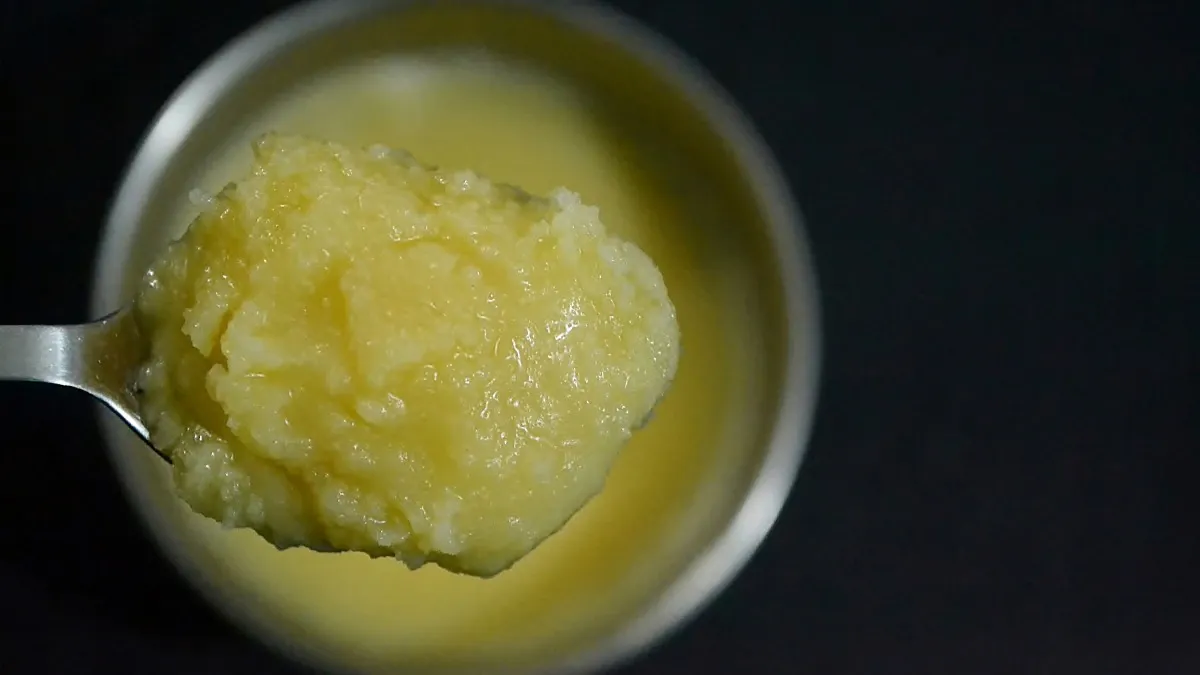
A nationwide survey of over 91,000 urban consumers across 293 districts reveals that only 38% are fully confident in the purity of the ghee they purchase, while 60% express varying degrees of doubt. This decline in trust follows reports of adulteration involving cheaper fats and oils, prompting increased regulatory crackdowns by the Food Safety and Standards Authority of India (FSSAI). Most consumers prefer branded or packaged ghee, associating it with higher quality and safety compared to loose or homemade varieties.
First-hand measurement across 2 sources
We measured how 2 outlets covered this story. Coverage leans balanced overall (Left 0%, Centre 100%, Right 0%). Overall sentiment is neutral (48/100). Lens Score 30/100 — low public interest.
Outlets analysed (first-hand measurement by TBN's Bias Engine):
- english— balanced framing, neutral sentiment
- indiatoday— balanced framing, neutral sentiment
AI Analysis
The articles primarily present consumer concerns and regulatory responses without partisan framing. They include perspectives from survey data, consumer behavior, and official food safety authorities, reflecting a focus on public health and market trends rather than political debate. The coverage is centered on factual reporting of survey results and regulatory actions, representing consumer and government viewpoints.
The overall tone is cautious and concerned, highlighting consumer distrust and food adulteration issues. While the survey findings and regulatory efforts are presented factually, the sentiment underscores apprehension about food safety. There is no overtly negative or positive bias, but the coverage emphasizes challenges in maintaining consumer confidence in ghee purity.
How 2 sources covered this story
Each source's own headline, political lean, and sentiment — so you can see framing differences at a glance.