Haryana Promotes Direct Seeded Rice to Save Water and Reduce Cultivation Costs
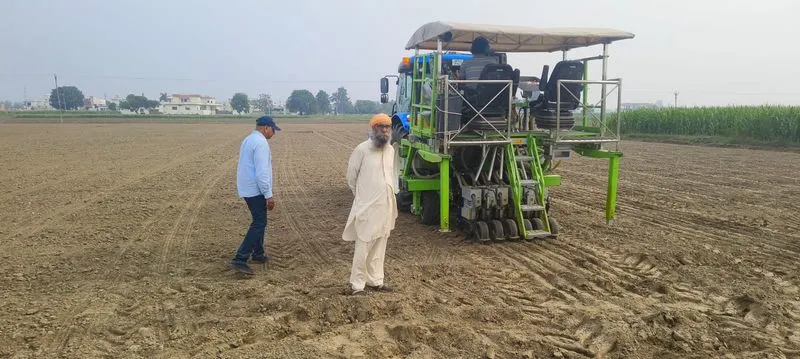
Haryana's Agriculture Department is promoting direct seeded rice (DSR) technology to conserve water, reduce labor costs, and improve soil health amid high temperatures. The method saves about 30% underground water and lowers cultivation expenses by approximately Rs 10,000 per acre. Progressive farmers in Ambala have led adoption efforts, with incentives totaling over Rs 3.89 crore for 8,653 acres in 2025-26. The government targets expanding DSR to 25,000 acres in 2026-27, highlighting its environmental and economic benefits.
AI Analysis
The articles primarily reflect government and agricultural department perspectives promoting DSR technology as a sustainable farming practice. They include views from progressive farmers supporting the initiative. There is no evident opposition or critical viewpoint, focusing instead on policy implementation and farmer incentives, presenting a largely positive framing of the government's agricultural strategy.
The overall tone is positive, emphasizing benefits such as water conservation, cost savings, and environmental advantages of DSR. The coverage highlights successful adoption by farmers and government incentives, portraying the transition as progressive and beneficial without noting significant challenges or drawbacks.
How 2 sources covered this story
Each source's own headline, political lean, and sentiment — so you can see framing differences at a glance.