Analysis of Gender Disparities in India's Vocational Training and Women’s Cash Transfer Programs
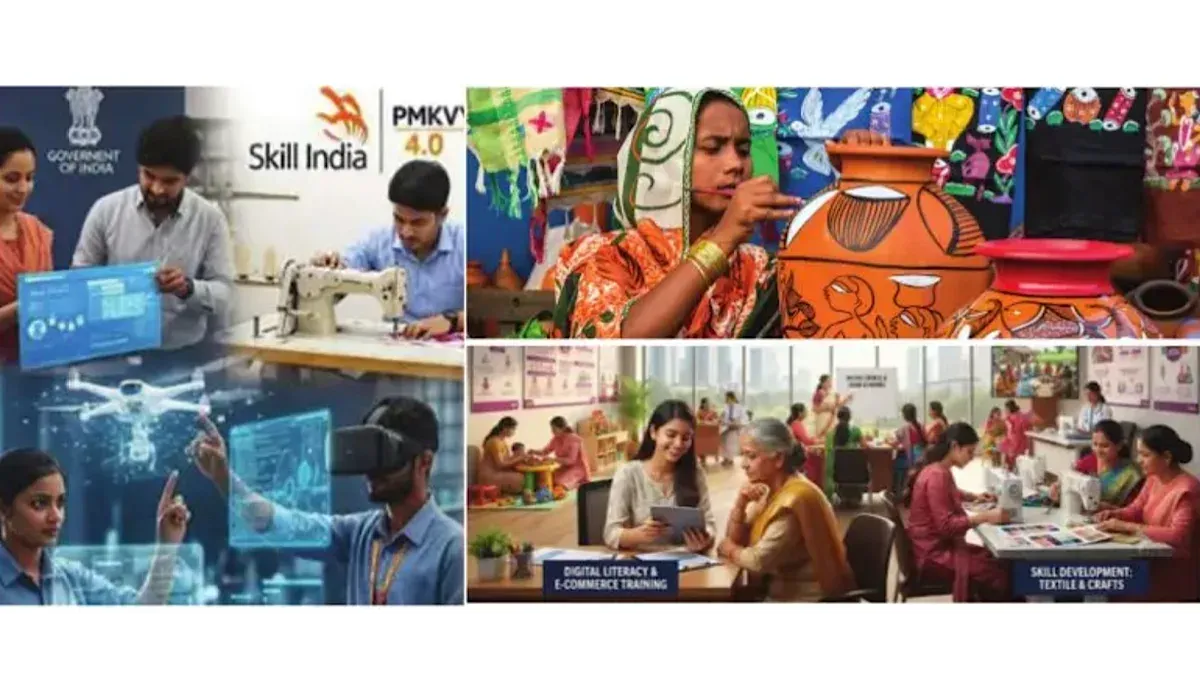
Recent analyses highlight gender disparities in India's vocational training and cash transfer schemes for women. While women constitute over half of trainees in short-term skilling programs, they remain underrepresented in technical trades like manufacturing and engineering. Concurrently, women-centric cash transfer schemes have expanded across 15 states, covering nearly 120 million beneficiaries with varied benefit amounts and eligibility criteria. Evaluations of these programs reveal differing impacts, prompting questions about which models most effectively support women's economic empowerment.
First-hand measurement across 2 sources
We measured how 2 outlets covered this story. Coverage leans balanced overall (Left 35%, Centre 63%, Right 2%). Overall sentiment is neutral (60/100). Lens Score 29/100 — low public interest.
Outlets analysed (first-hand measurement by TBN's Bias Engine):
- businessstandard— balanced framing, positive sentiment
- thestatesman— balanced framing, neutral sentiment
AI Analysis
The articles present a policy-focused perspective without partisan framing, highlighting government initiatives in skill development and welfare schemes. They include data-driven assessments from official bodies like NITI Aayog and the Economic Advisory Council, reflecting a technocratic viewpoint. The coverage balances recognition of program expansions with critical evaluation of their effectiveness and inclusivity, representing both government achievements and areas needing improvement.
The overall tone is analytical and neutral, combining acknowledgment of progress in women's participation and welfare coverage with critical insights into persistent gaps and uneven outcomes. The sentiment is neither overtly positive nor negative but reflects a measured appraisal of policy impacts, emphasizing evidence-based evaluation rather than emotive language.