Punjab Promotes Direct Seeded Rice to Conserve Water and Reduce Cultivation Costs
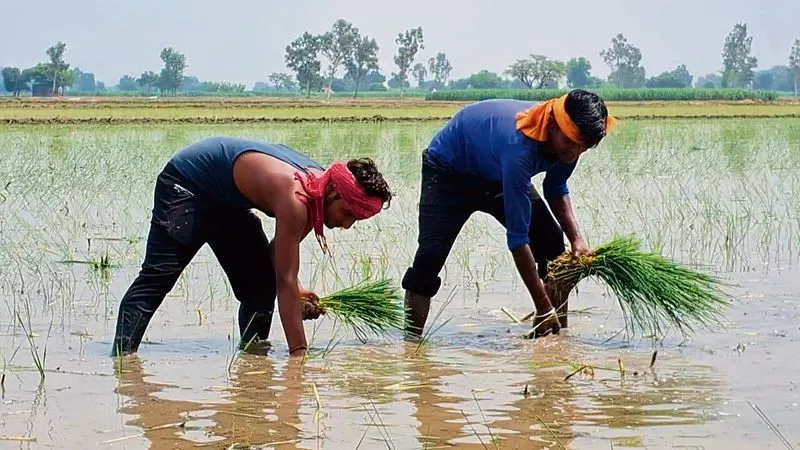
Punjab Agriculture University (PAU) and state officials are promoting Direct Seeded Rice (DSR) as a water-saving alternative to traditional paddy transplantation. PAU experts emphasize DSR's benefits in conserving groundwater, reducing labor and costs, and maintaining comparable yields when best practices are followed. Farmers like Gurjinder Singh in Amloh have adopted DSR on large scales with positive results. Authorities encourage the use of recommended varieties, balanced fertilization, and technical support to enhance adoption and sustainability in rice cultivation.
First-hand measurement across 2 sources
We measured how 2 outlets covered this story. Coverage leans balanced overall (Left 0%, Centre 100%, Right 0%). Overall sentiment is positive (72/100). Lens Score 34/100 — low public interest.
Outlets analysed (first-hand measurement by TBN's Bias Engine):
- thetribune— balanced framing, positive sentiment
- thetribune— balanced framing, positive sentiment
AI Analysis
The articles primarily present government and agricultural university perspectives advocating for DSR adoption, highlighting official initiatives and farmer experiences. There is no evident partisan framing; coverage focuses on technical and environmental aspects, reflecting a consensus on water conservation efforts without political controversy or opposition viewpoints.
The tone across the articles is generally positive, emphasizing the benefits of DSR such as water savings, cost reduction, and satisfactory yields. Farmer experiences and expert advice contribute to an encouraging narrative about sustainable agriculture, with no significant negative or critical sentiment present.
How 2 sources covered this story
Each source's own headline, political lean, and sentiment — so you can see framing differences at a glance.