Yamuna River Flow and Width Decline Amid Increased Diversions and Urban Growth
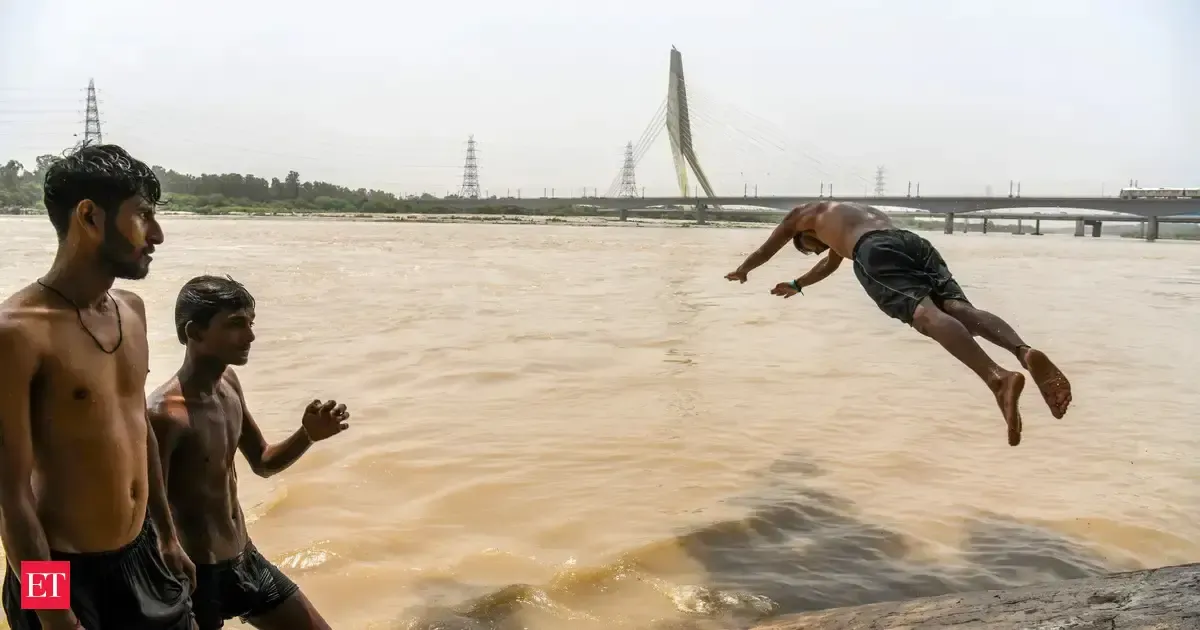
Recent analyses reveal that despite increased monsoon inflows at Hathnikund Barrage, most water is diverted into canals, limiting flow in the Yamuna River through Delhi. Over the past 225 years, the river has lost about 68% of its width and 89% of its flow, largely due to barrages, urban expansion, and reduced floodplains. Experts warn these changes harm the river's ecological health and increase urban flood risks, emphasizing the need to restore environmental flows for the Yamuna's revival.
First-hand measurement across 3 sources
We measured how 3 outlets covered this story. Coverage leans balanced overall (Left 17%, Centre 80%, Right 3%). Overall sentiment is neutral (35/100). Lens Score 30/100 — low public interest.
Outlets analysed (first-hand measurement by TBN's Bias Engine):
- thefinancialexpress— balanced framing, neutral sentiment
- economictimes— balanced framing, neutral sentiment
- thetribune— balanced framing, neutral sentiment
AI Analysis
The articles present perspectives focused on environmental and urban planning concerns without explicit political alignment. They highlight expert analyses and scientific studies on river flow reductions and ecological impacts, emphasizing administrative actions like water diversion and lack of environmental flow notifications. The coverage reflects a consensus on ecological risks while noting government roles, without partisan framing.
The overall tone is cautionary and concerned, emphasizing ecological degradation and urban risks linked to reduced river flows and habitat loss. While the reports rely on scientific data and expert warnings, the sentiment remains measured, focusing on factual impacts and the need for remedial measures rather than emotional or sensational language.
How 3 sources covered this story
Each source's own headline, political lean, and sentiment — so you can see framing differences at a glance.