Skip to content
Get the Balanced News app for a better experience!
The Balanced News Logo
Analytics
The Balanced News Logo

Stay Balanced, Stay Informed

Menu
  • Browse News
  • Underreported Stories
  • Curated Feeds
  • Insights
  • Analytics
  • Our Writers
  • About Us
  • Download App
Learn
  • How It Works
  • Bias Detection
  • Lens Score
  • Source Bias Checker
  • Accountability
  • Custom Feeds
Newsroom
  • Writers & Analysts
  • About TBN
  • Editorial Standards
  • Corrections Policy
  • Our Partners
  • Insights
Socials
  • Youtube
  • Instagram
  • X
  • Facebook
News Categories
  • Trending
  • Politics
  • Sports
  • Business
  • Tech
  • Entertainment
  • Health
  • Science
  • Crime
  • Lifestyle
  • National
  • International
  • Good News
  • Crypto

Get Our App

Available for iOS and Android


LensFeedsInsightsAnalyticsTrendingGood NewsSportsPoliticsBusinessCrimeTechEntertainmentHealthNationalInternational

© 2026 The Balanced News. All rights reserved.

About UsEditorial StandardsCorrectionsHelp & SupportPrivacy PolicyTerms & Conditions
Psychology Explains Common Household Habits as Memory and Attention Lapses
Categories

Categories

Related Coverage

Select a news story to see related coverage from other media outlets.

Related Coverage

Select a news story to see related coverage from other media outlets.

  1. Home
  2. /
  3. Social

Psychology Explains Common Household Habits as Memory and Attention Lapses

Analysed 20 Jul 2026·2 sources analysed·Social
Psychology Explains Common Household Habits as Memory and Attention LapsesPreviousNext

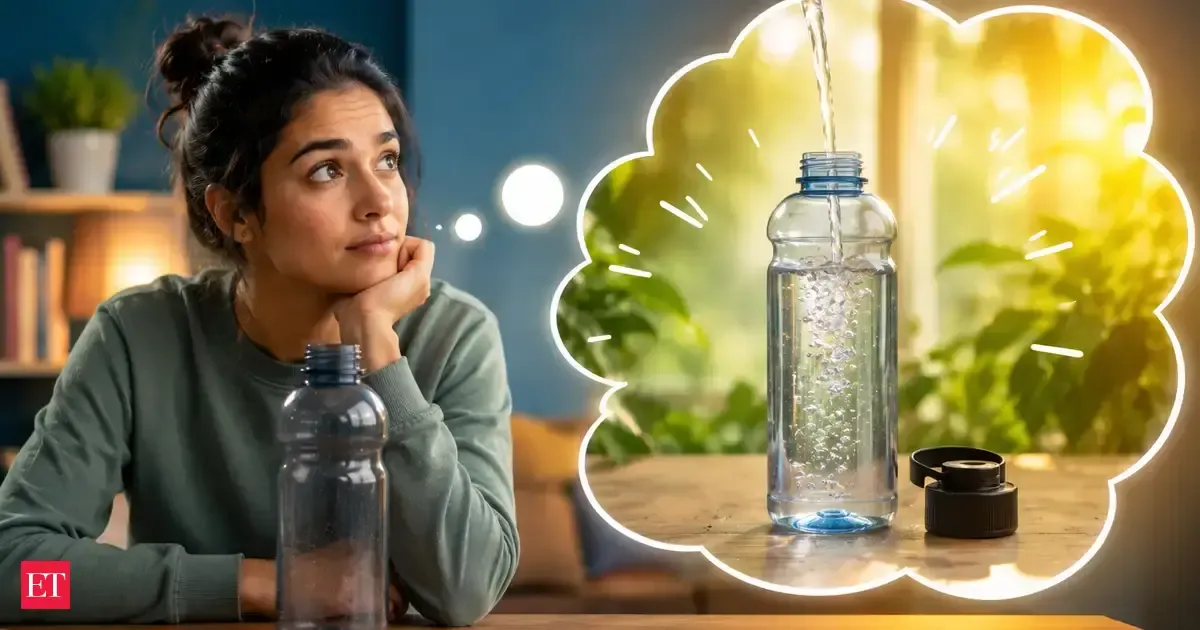
Psychologists explain that everyday household behaviors like not refilling water bottles or leaving cabinet doors open are often due to automatic habits, attention shifts, and memory lapses rather than intentional neglect or personality flaws. Research highlights concepts such as Habit Theory, Prospective Memory, and Cognitive Load Theory to show how routine tasks can be overlooked amid distractions and mental overload, emphasizing that single actions do not define character.

Sentiment
55%
TBN's observations

First-hand measurement across 2 sources

We measured how 2 outlets covered this story. No outlet gave this story a measurable political slant — there is no left–right reading to report. Overall sentiment is neutral (55/100). Lens Score 25/100.

Outlets measured: economictimes, economictimes. See how each one headlined and framed the same story in the source comparison below.

AI analysis of 2 sources · Published under editorial oversight by The Balanced News
Analysed 20 Jul 2026· How this analysis is produced· Editorial standards· Corrections

AI Analysis

Sentiment — Neutral (55/100)

Sentiment was consistent across outlets (55–55/100), indicating broadly factual reporting rather than editorialising.

Coverage timeline

economictimes broke this story on 20 Jul, 10:58 am. Other outlets followed.

20 Jul, 10:58 am2 sources · 4 h20 Jul, 02:54 pm
AI analysis by the TBN Bias Engine · beat methodology byAniket Awate· Culture & Digital Media Writer· editorial standards byOjas Kale
← Previous
Guru Nanak School Celebrates Annual Day with Cultural Performances and Guests
Next →
Diljit Dosanjh Supports Students' NEET Protest, Condemns Their Treatment
1
economictimes20 Jul, 10:58 am
Psychology says people who never refill the water bottle after drinking may not be as inconsiderate as you think
  • 2
    economictimes20 Jul, 02:54 pm
    Psychology says people who leave cabinet doors open may not be as absent-minded, they may be experiencing attention shifts, and memory lapses
  • Story context

    Category
    Social
    Sources analysed
    2
    Last analysed
    20 Jul 2026
    Key entities
    PsychologyPsychologistBrainHuman multitaskingTrait theoryCognitive biasFundamental attribution errorCognitionDecision-makingAutomatic behaviorSelfishnessCognitive load