Indian Cities Face Growing Water Shortages Amid Climate and Infrastructure Challenges
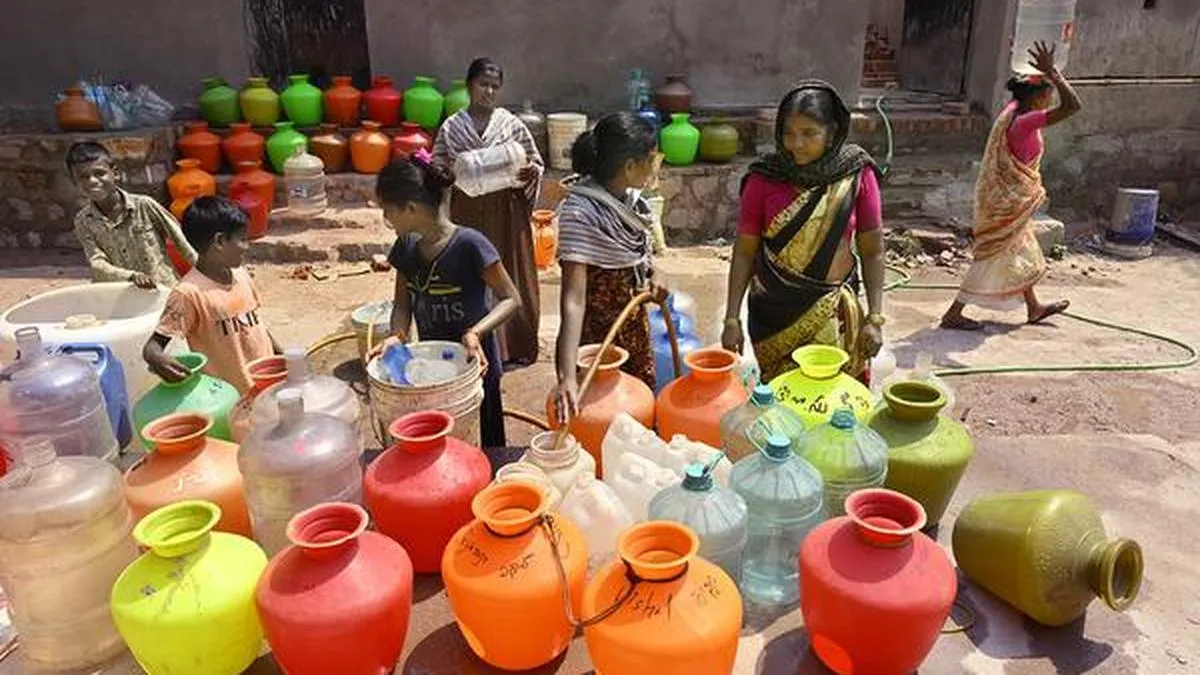
Indian cities are increasingly facing severe water shortages during summers, with places like New Delhi, Bengaluru, Chennai, and Hyderabad experiencing disrupted piped water supply and reliance on tankers. This crisis stems from rapid urban growth outpacing water infrastructure, over-extraction of groundwater, and climate change effects such as heatwaves and erratic monsoons. Experts highlight the need to improve water management, maintain local water bodies, enforce regulations, and adapt to changing climate patterns to address the intertwined challenges of heat and water scarcity.
First-hand measurement across 2 sources
We measured how 2 outlets covered this story. Coverage leans balanced overall (Left 15%, Centre 80%, Right 5%). Overall sentiment is neutral (45/100). Lens Score 21/100 — low public interest.
Outlets analysed (first-hand measurement by TBN's Bias Engine):
- thehindu— balanced framing, neutral sentiment
- hindustantimes— balanced framing, neutral sentiment
AI Analysis
The articles present a largely technical and environmental perspective on urban water scarcity without explicit political framing. They focus on systemic issues like infrastructure deficits, urban planning, and climate impacts, reflecting concerns common across political lines. While government actions such as tanker deployments are mentioned, there is no partisan critique or endorsement, resulting in a neutral presentation of the challenges and responses.
The overall tone is cautionary and concerned, emphasizing the seriousness of water shortages and climate impacts on urban populations. The coverage highlights difficulties faced by residents and the urgency of addressing systemic problems but avoids sensationalism. It balances reporting on current hardships with calls for practical solutions, resulting in a measured and informative sentiment.