Colombia's Senate Approves Law to Ban Female Genital Mutilation in Indigenous Communities
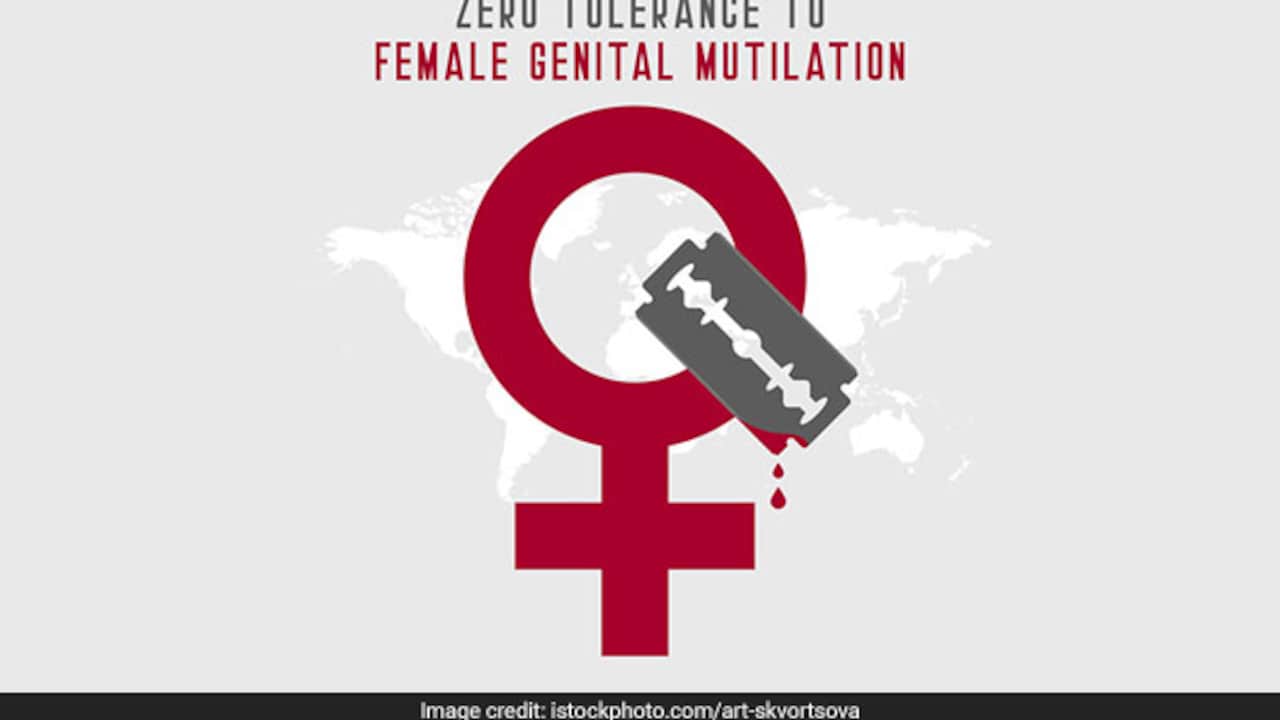
Colombia's Senate approved a law to ban female genital mutilation (FGM), a practice still present in some Indigenous communities, after two years of debate. The World Health Organization highlights FGM's serious health risks and rights violations. If signed by President Gustavo Petro, Colombia would be the first Latin American country to outlaw FGM. The practice, believed to be underreported, affects Indigenous groups like the Embera Chami and Katio. Indigenous leader Juliana Domico described it as a harmful imposed practice rather than cultural tradition.
First-hand measurement across 2 sources
We measured how 2 outlets covered this story. Coverage leans balanced overall (Left 40%, Centre 58%, Right 2%). Overall sentiment is neutral (55/100). Lens Score 35/100 — moderate-to-low public interest.
Outlets analysed (first-hand measurement by TBN's Bias Engine):
- thehindu— left-leaning framing, neutral sentiment
- ndtv— balanced framing, neutral sentiment
AI Analysis
The articles present a largely factual account focusing on legislative developments and health perspectives without partisan framing. They include viewpoints from Indigenous leaders opposing FGM and reference the leftist president's potential approval, reflecting political context without bias. The coverage emphasizes human rights and health concerns, representing government, Indigenous, and NGO perspectives fairly.
The tone across the articles is serious and informative, highlighting the health risks and human rights issues related to FGM. While the subject matter is sensitive and negative due to the harmful practice, the coverage maintains a neutral, factual approach focused on legislative progress and Indigenous voices opposing FGM, resulting in a balanced and sober sentiment.
How 2 sources covered this story
Each source's own headline, political lean, and sentiment — so you can see framing differences at a glance.