Climate-Driven Heat Stress Causes Income Losses and Health Costs in Vulnerable Workers
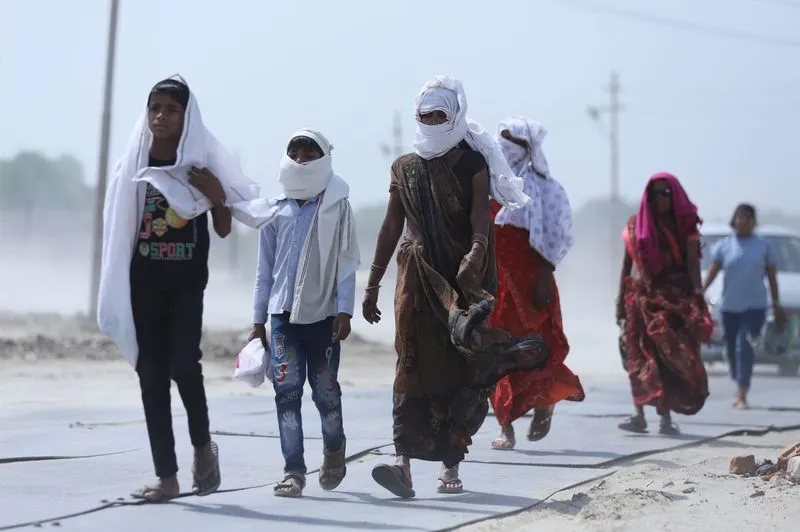
A report by adelphi global highlights that extreme heat driven by climate change is causing significant income losses for agriculture and construction workers in countries including India, Bangladesh, Indonesia, and Nigeria. Workers are losing around 20 to 22.5 working days annually due to heat stress, which also increases medical expenses. This dual impact strains household finances and national economies, with India potentially losing 5% of its GDP in 2024. The study covers eight countries and emphasizes the growing economic and health risks linked to climate-driven heat.
First-hand measurement across 2 sources
We measured how 2 outlets covered this story. Coverage leans balanced overall (Left 40%, Centre 60%, Right 0%). Overall sentiment is negative (32/100). Lens Score 21/100 — low public interest.
Outlets analysed (first-hand measurement by TBN's Bias Engine):
- thefinancialexpress— balanced framing, neutral sentiment
- thetribune— balanced framing, negative sentiment
AI Analysis
The articles present a largely consensus-driven perspective focusing on the economic and health impacts of climate change without partisan framing. They emphasize scientific findings and expert analysis from adelphi global, highlighting vulnerabilities in developing countries like India and Bangladesh. The coverage includes government and expert viewpoints but does not engage in political debate or assign blame, maintaining a neutral stance on climate policy.
The overall tone is cautionary and informative, emphasizing the negative consequences of climate-driven heat on workers' health and incomes. While the reports highlight serious challenges and economic losses, the language remains factual and avoids sensationalism. The sentiment reflects concern for vulnerable populations and the urgency of addressing climate impacts, without overt pessimism or optimism.