Karnal District's Groundwater Levels Decline to 21.38 Metres Amid Water Stress
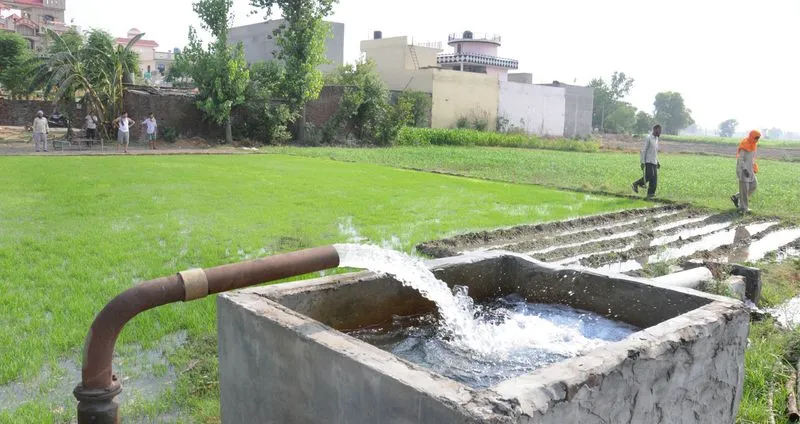
Karnal district in Haryana faces a deepening groundwater crisis, with the average water table falling to 21.38 metres below ground level in October 2025, reflecting a long-term decline from 5.37 metres in 1974. Excessive groundwater extraction for irrigation, especially for paddy cultivation, and insufficient natural recharge are key factors. Block-wise levels vary, with areas like Assandh and Nissing most stressed. Authorities and experts hope the upcoming monsoon will aid aquifer recharge amid concerns over agricultural and drinking water sustainability.
First-hand measurement across 2 sources
We measured how 2 outlets covered this story. Coverage leans balanced overall (Left 10%, Centre 85%, Right 5%). Overall sentiment is neutral (45/100). Lens Score 35/100 — moderate-to-low public interest.
Outlets analysed (first-hand measurement by TBN's Bias Engine):
- thetribune— balanced framing, neutral sentiment
- thetribune— balanced framing, neutral sentiment
AI Analysis
The articles primarily present a technical and administrative perspective on Karnal's groundwater decline, focusing on data and expert opinions without political framing. They include views from irrigation authorities and agricultural experts, emphasizing resource management challenges. There is no evident partisan bias, as the coverage centers on environmental and agricultural impacts rather than political debate.
The tone across the articles is concerned and cautionary, highlighting the severity of groundwater depletion and its implications for agriculture and drinking water. While the situation is presented as serious, the coverage remains factual and measured, expressing hope for monsoon recharge without sensationalizing the crisis.
How 2 sources covered this story
Each source's own headline, political lean, and sentiment — so you can see framing differences at a glance.