Skip to content
Get the Balanced News app for a better experience!
The Balanced News Logo
Analytics
The Balanced News Logo

Stay Balanced, Stay Informed

Menu
  • Browse News
  • Underreported Stories
  • Curated Feeds
  • Insights
  • Analytics
  • Our Writers
  • About Us
  • Download App
Learn
  • How It Works
  • Bias Detection
  • Lens Score
  • Source Bias Checker
  • Accountability
  • Custom Feeds
Newsroom
  • Writers & Analysts
  • About TBN
  • Editorial Standards
  • Corrections Policy
  • Our Partners
  • Insights
Socials
  • Youtube
  • Instagram
  • X
  • Facebook
News Categories
  • Trending
  • Politics
  • Sports
  • Business
  • Tech
  • Entertainment
  • Health
  • Science
  • Crime
  • Lifestyle
  • National
  • International
  • Good News
  • Crypto

Get Our App

Available for iOS and Android


LensFeedsInsightsAnalyticsTrendingGood NewsSportsPoliticsBusinessCrimeTechEntertainmentHealthNationalInternational

© 2026 The Balanced News. All rights reserved.

About UsEditorial StandardsCorrectionsHelp & SupportPrivacy PolicyTerms & Conditions
North Carolina Develops Artificial Reefs Using Recycled Materials to Support Marine Life
Categories

Categories

Related Coverage

Select a news story to see related coverage from other media outlets.

Related Coverage

Select a news story to see related coverage from other media outlets.

  1. Home
  2. /
  3. Social

North Carolina Develops Artificial Reefs Using Recycled Materials to Support Marine Life

Analysed 7 Nov 2026·2 sources analysed·North Carolina, United States·Social
North Carolina Develops Artificial Reefs Using Recycled Materials to Support Marine LifeNext

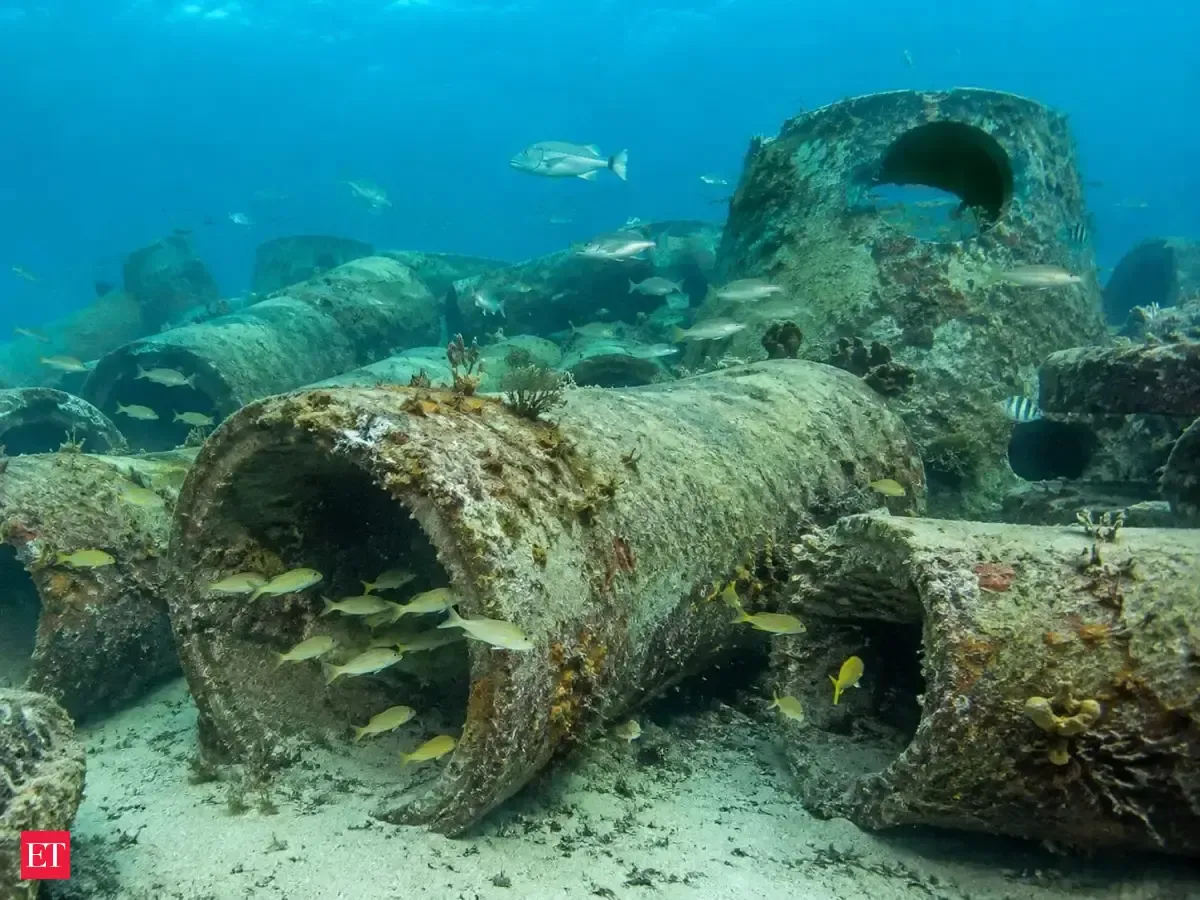
In 2023, North Carolina initiated projects to create artificial reefs using recycled concrete pipes, manholes, and salvaged bridge materials. One reef, located 28 miles off Beaufort, now serves as a habitat attracting fish and divers, while a planned 125-acre reef in Albemarle Sound aims to provide shelter, feeding, and spawning areas for marine life. These efforts enhance habitat complexity but are not a complete solution to declining fish populations, highlighting the ecological role of man-made structures in coastal ecosystems.

Sentiment
62%
TBN's observations

First-hand measurement across 2 sources

We measured how 2 outlets covered this story. No outlet gave this story a measurable political slant — there is no left–right reading to report. Overall sentiment is positive (62/100). Lens Score 41/100.

Outlets measured: economictimes, economictimes. See how each one headlined and framed the same story in the source comparison below.

AI analysis of 2 sources · Published under editorial oversight by The Balanced News
Analysed 7 Nov 2026· How this analysis is produced· Editorial standards· Corrections

AI Analysis

Sentiment — Positive (62/100)

Sentiment was consistent across outlets (55–68/100), indicating broadly factual reporting rather than editorialising.

Coverage timeline

economictimes broke this story on 6 Nov, 12:12 pm. Other outlets followed.

6 Nov, 12:12 pm2 sources · 23 h7 Nov, 11:05 am
AI analysis by the TBN Bias Engine · beat methodology byAniket Awate· Culture & Digital Media Writer· editorial standards byOjas Kale
Next →
Airbnb Host Finds Guest Using 2BHK Flat for Unauthorized Wedding Reception
1
economictimes6 Nov, 12:12 pm
An artificial reef can do more than attract fish: How a 125-acre underwater project could reshape North Carolina's coastal ecosystems
  • 2
    economictimes7 Nov, 11:05 am
    In 2023, North Carolina sank 1,700 tons of concrete pipes and manholes at AR-305; the pile became fish habitat 105 feet below the Atlantic for divers and anglers
  • Who's involved

    Institutions and figures named across source coverage.

    Government
    National Oceanic and Atmospheric Administration National Centers for Coastal Ocean ScienceNorth Carolina Division of Marine Fisheries

    Story context

    Category
    Social
    Location
    North Carolina, United States
    Sources analysed
    2
    Last analysed
    7 Nov 2026
    Key entities
    Artificial reefHabitatFishNorth CarolinaSeabedTonRecyclingConcreteFishingMarine habitatsSewerageNational Oceanic and Atmospheric Administration