Punjab Reports Ongoing River Pollution and Groundwater Depletion Challenges
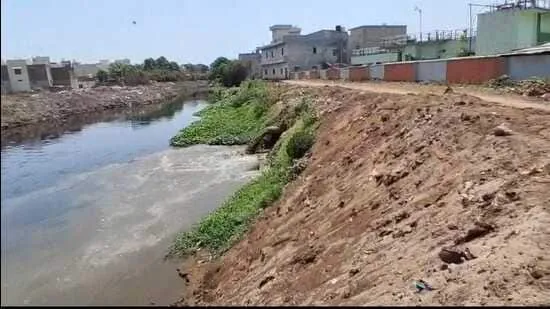
Punjab faces a severe water crisis marked by extensive river pollution and groundwater depletion. The Punjab Pollution Control Board reported to the National Green Tribunal that 800 of 1,574 pollution sources still discharge untreated wastewater into rivers, including the Sutlej, which threatens the Harike wetland and downstream irrigation canals. Despite efforts like sewage treatment plants, untreated effluents persist. Groundwater levels have declined sharply due to over-extraction for agriculture and industry, raising concerns about long-term water sustainability in the state.
First-hand measurement across 3 sources
We measured how 3 outlets covered this story. Coverage leans balanced overall (Left 43%, Centre 52%, Right 5%). Overall sentiment is negative (30/100). Lens Score 38/100 — moderate-to-low public interest.
Outlets analysed (first-hand measurement by TBN's Bias Engine):
- thetribune— balanced framing, negative sentiment
- thetribune— left-leaning framing, negative sentiment
- hindustantimes— balanced framing, neutral sentiment
AI Analysis
The articles present perspectives highlighting government efforts and shortcomings in addressing Punjab's water issues. Official reports from the Punjab Pollution Control Board are included alongside critiques from environmentalists and activists, reflecting both administrative accountability and civil society concerns. The coverage balances acknowledgment of interventions with criticism of their effectiveness, without favoring any political party or ideology.
The overall tone is cautionary and concerned, emphasizing environmental degradation and public health risks. While noting government actions like pollution source closures and treatment plants, the articles underscore persistent problems and warnings from experts, resulting in a predominantly serious and critical sentiment focused on the urgency of the water crisis.