Architectural Heritage of Bengal's Terracotta Temples and Bodh Gaya's Mahabodhi Temple
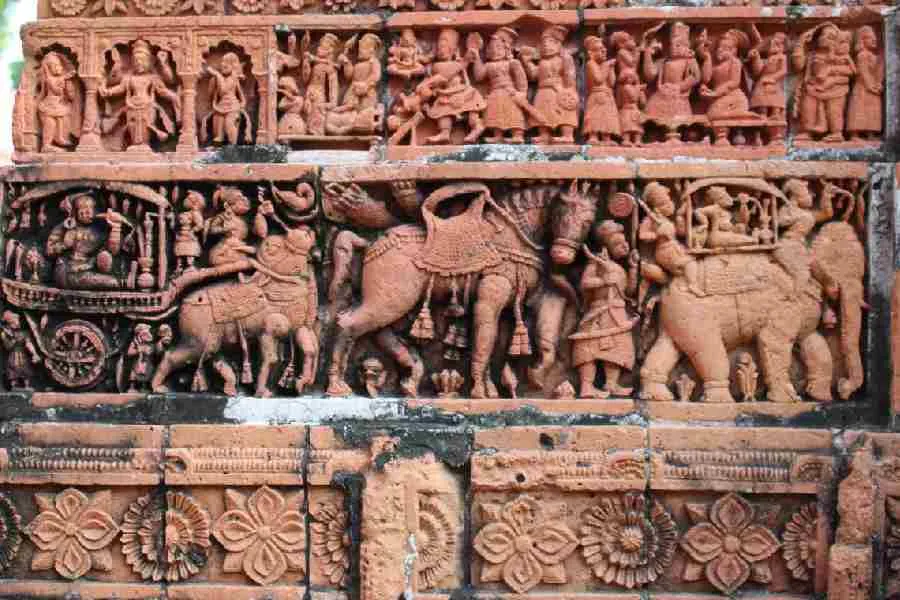
Bengal's terracotta temples are noted for their architectural hybridity, combining Persian, Buddhist, Odishan, Bengali, and European elements, shaped by diverse patrons and artisan guilds in the 18th and 19th centuries. Separately, the Mahabodhi Temple in Bodh Gaya, dating to the Mauryan period, is recognized as the oldest surviving brick structure globally and a key Buddhist pilgrimage site. Both represent significant heritage sites reflecting India's rich historical and cultural legacy.
First-hand measurement across 2 sources
We measured how 2 outlets covered this story. Coverage leans balanced overall (Left 0%, Centre 100%, Right 0%). Overall sentiment is positive (72/100). Lens Score 25/100 — low public interest.
Outlets analysed (first-hand measurement by TBN's Bias Engine):
- thestatesman— balanced framing, positive sentiment
- thetelegraph— balanced framing, positive sentiment
AI Analysis
The articles focus on cultural and historical aspects without evident political framing. They highlight scholarly and heritage perspectives, emphasizing preservation and academic interest. There is no partisan viewpoint; instead, the coverage centers on heritage appreciation and the significance of these monuments within Indian and broader South Asian history.
The tone across the articles is positive and respectful, emphasizing admiration for the architectural uniqueness and historical importance of the sites. The sentiment reflects appreciation for cultural heritage and scholarly efforts, with no negative or controversial elements present.
How 2 sources covered this story
Each source's own headline, political lean, and sentiment — so you can see framing differences at a glance.