Indian Cities Experience Summer Air Pollution Spikes Despite Meteorological Factors
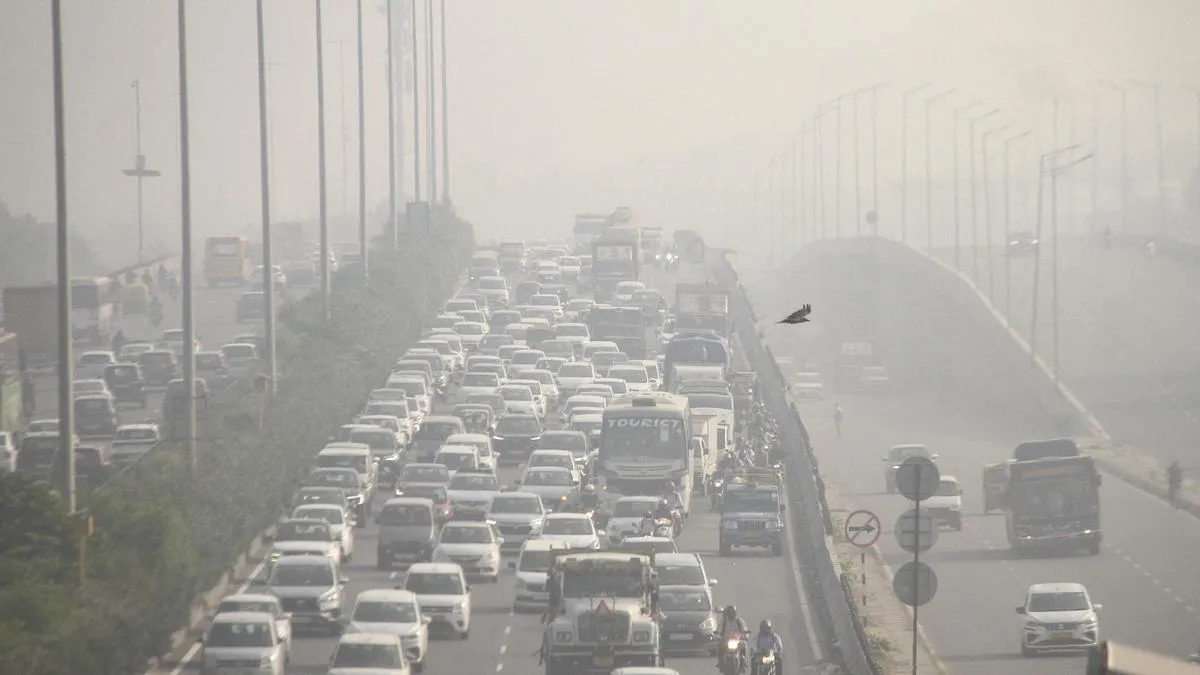
Indian cities including Delhi, Mumbai, Chennai, Hyderabad, Bengaluru, and Kolkata have experienced spikes in air pollution during the summer months, with PM10 and ozone levels exceeding national standards. Despite meteorological factors like stronger winds and higher temperatures that typically reduce pollution, local sources such as vehicular emissions, construction dust, industrial activity, and dust storms contribute to these episodes. Authorities have responded by intermittently implementing pollution control measures like the Graded Response Action Plan in Delhi to address summer pollution challenges.
First-hand measurement across 2 sources
We measured how 2 outlets covered this story. Coverage leans balanced overall (Left 5%, Centre 93%, Right 2%). Overall sentiment is neutral (46/100). Lens Score 25/100 — low public interest.
Outlets analysed (first-hand measurement by TBN's Bias Engine):
- thehindu— balanced framing, neutral sentiment
- thehindu— balanced framing, neutral sentiment
AI Analysis
The articles present a largely technical and environmental perspective on urban air pollution without evident political framing. They focus on scientific explanations and government responses, such as the Commission for Air Quality Management's actions, without attributing blame or political motives. The coverage includes multiple cities and sources of pollution, reflecting a neutral stance centered on public health and environmental management.
The tone across the articles is informative and neutral, emphasizing the persistence of air pollution challenges despite favorable weather conditions. The coverage neither sensationalizes the issue nor downplays its seriousness, instead providing explanations and highlighting government measures. This balanced approach results in a mixed but primarily factual sentiment focused on awareness and problem-solving.