Skip to content
Get the Balanced News app for a better experience!
The Balanced News Logo
Analytics
The Balanced News Logo

Stay Balanced, Stay Informed

Menu
  • Browse News
  • Underreported Stories
  • Curated Feeds
  • Insights
  • Analytics
  • Our Writers
  • About Us
  • Download App
Learn
  • How It Works
  • Bias Detection
  • Lens Score
  • Source Bias Checker
  • Accountability
  • Custom Feeds
Newsroom
  • Writers & Analysts
  • About TBN
  • Editorial Standards
  • Corrections Policy
  • Our Partners
  • Insights
Socials
  • Youtube
  • Instagram
  • X
  • Facebook
News Categories
  • Trending
  • Politics
  • Sports
  • Business
  • Tech
  • Entertainment
  • Health
  • Science
  • Crime
  • Lifestyle
  • National
  • International
  • Good News
  • Crypto

Get Our App

Available for iOS and Android


LensFeedsInsightsAnalyticsTrendingGood NewsSportsPoliticsBusinessCrimeTechEntertainmentHealthNationalInternational

© 2026 The Balanced News. All rights reserved.

About UsEditorial StandardsCorrectionsHelp & SupportPrivacy PolicyTerms & Conditions
India's Labour Codes and Heat Resilience Policies Overlook Informal Workers' Climate Risks
Categories

Categories

Related Coverage

Select a news story to see related coverage from other media outlets.

Related Coverage

Select a news story to see related coverage from other media outlets.

  1. Home
  2. /
  3. Social

India's Labour Codes and Heat Resilience Policies Overlook Informal Workers' Climate Risks

Analysed 7 Sept 2026·2 sources analysed·India·Social
India's Labour Codes and Heat Resilience Policies Overlook Informal Workers' Climate RisksPreviousNext

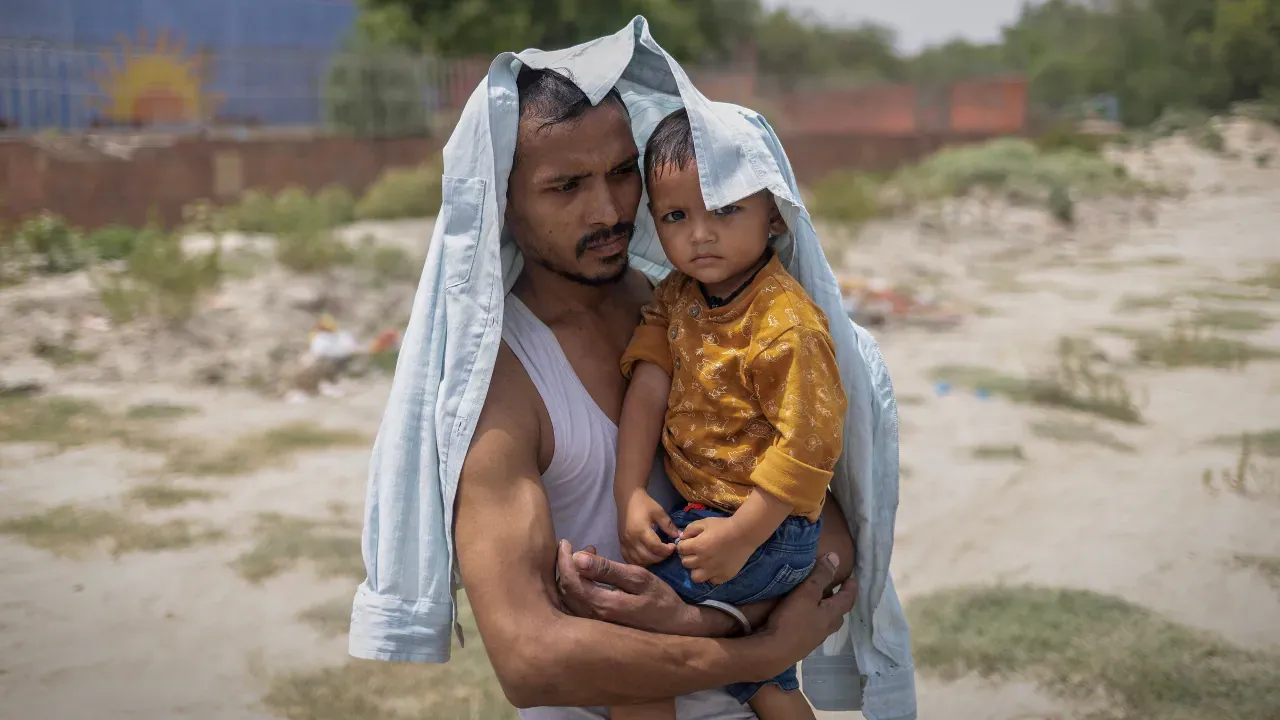
India's new labour codes, effective from November 2025, lack explicit provisions addressing climate change impacts on workers, especially those in informal sectors and small firms. While India has developed extensive heat resilience policies, including Heat Action Plans in over 250 cities and official recognition of heatwaves as natural disasters, these measures often exclude informal workers who constitute 90% of the workforce. Experts highlight that women and informal workers remain particularly vulnerable due to limited protections and targeted interventions in current frameworks.

Sentiment
55%
TBN's observations

First-hand measurement across 2 sources

We measured how 2 outlets covered this story. No outlet gave this story a measurable political slant — there is no left–right reading to report. Overall sentiment is neutral (55/100). Lens Score 39/100.

Outlets measured: moneycontrol, newslaundry. See how each one headlined and framed the same story in the source comparison below.

AI analysis of 2 sources · Published under editorial oversight by The Balanced News
Analysed 7 Sept 2026· How this analysis is produced· Editorial standards· Corrections

AI Analysis

Sentiment — Neutral (55/100)

Sentiment was consistent across outlets (45–65/100), indicating broadly factual reporting rather than editorialising.

Coverage timeline

newslaundry broke this story on 7 Sept, 03:30 am. Other outlets followed.

7 Sept, 03:30 am2 sources · 8 h7 Sept, 11:01 am
  1. 1
AI analysis by the TBN Bias Engine · beat methodology byAniket Awate· Culture & Digital Media Writer· editorial standards byOjas Kale
← Previous
Elephant Death and Human Fatality Reported in Jharkhand Amid Human-Wildlife Conflict
Next →
Seven-Foot Python Found Inside Parked Car Bonnet in Mumbai Rescued Safely
newslaundry7 Sept, 03:30 am
The climate blindspot in India's new labour codes
  • 2
    moneycontrol7 Sept, 11:01 am
    OPINION Hidden in Plain Heat: Informal workers in India's heat resilience story- Moneycontrol.com
  • Who's involved

    Institutions and figures named across source coverage.

    Government
    State labour departments in Uttar PradeshIndia's National Disaster Management AuthorityUnion governmentState labour departments in HaryanaMinistry of Home AffairsMinistry of Labour and EmploymentState labour departments in KarnatakaState labour departments in Delhi

    Story context

    Category
    Social
    Location
    India
    Sources analysed
    2
    Last analysed
    7 Sept 2026
    Key entities
    Informal economyHeat waveIndiaFactories Act, 1948 (India)Parental leaveExtreme weatherWorkforceDomestic workerGovernment of IndiaLabour lawOccupational safety and healthDrinking water