Challenges and Importance of Last-Mile Connectivity in Indian Urban Transport
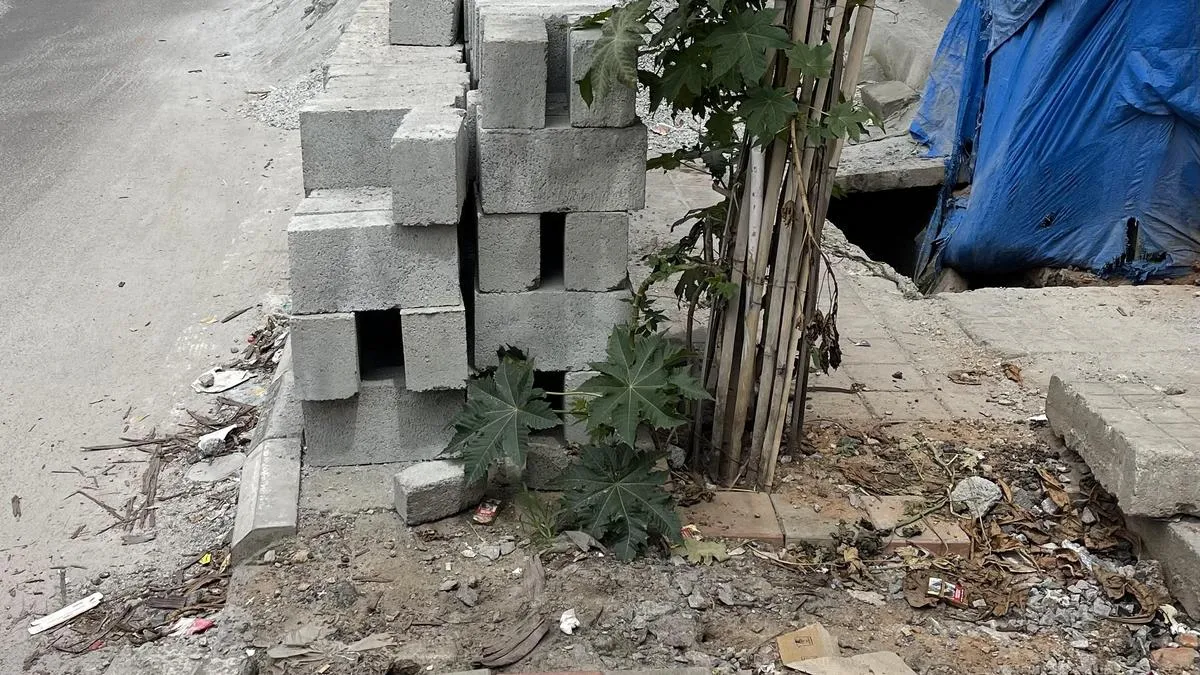
In Bengaluru and other Indian cities, inadequate last-mile connectivity—such as missing or unsafe footpaths near bus stops and metro stations—hinders public transport use and economic opportunities. Commuters face challenges walking to transit hubs, leading some to abandon public transport. Studies highlight that poor access reduces metro ridership, especially affecting women and low-income workers. Experts and government reports emphasize improving pedestrian infrastructure and formalizing shared transport modes to enhance inclusivity and maximize transport investments.
First-hand measurement across 2 sources
We measured how 2 outlets covered this story. Coverage leans balanced overall (Left 15%, Centre 80%, Right 5%). Overall sentiment is neutral (55/100). Lens Score 30/100 — low public interest.
Outlets analysed (first-hand measurement by TBN's Bias Engine):
- mint— balanced framing, positive sentiment
- thehindu— balanced framing, neutral sentiment
AI Analysis
The articles present a largely neutral perspective focusing on urban transport infrastructure issues without partisan framing. They include viewpoints from commuters, government directives, and research studies, emphasizing practical challenges and policy recommendations. The coverage reflects concerns about public transport accessibility and equity, representing both user experiences and institutional responses without political alignment.
The overall tone is cautiously critical, highlighting deficiencies in pedestrian infrastructure and last-mile connectivity that negatively impact commuters. However, it also conveys constructive aspects, such as government recognition of the issues, legal rulings, and positive trends like increased bus ridership among women. The sentiment balances concern over current gaps with optimism about potential improvements.