One Year After Operation Sindoor, Border Communities in Jammu and Kashmir Reflect on Impact
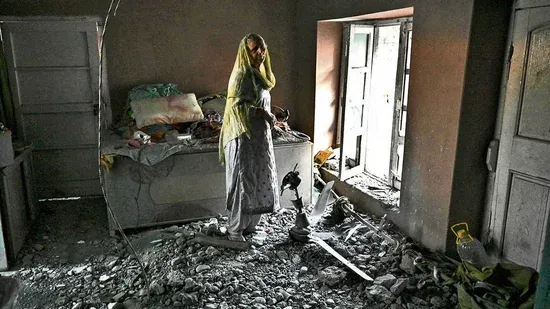
One year after Operation Sindoor, which involved Indian strikes on terror targets in Pakistan and subsequent Pakistani shelling, border areas in Jammu and Kashmir, especially Poonch and Uri, continue to bear deep scars. The shelling killed at least 28 civilians, including children, and damaged homes, schools, and religious sites. Survivors recount trauma, loss, and ongoing challenges, with families urging government support such as memorials, shelters, and compensation. The conflict's impact on children and communities remains profound amid hopes for lasting peace.
First-hand measurement across 13 sources
We measured how 13 outlets covered this story. Coverage leans balanced overall (Left 31%, Centre 62%, Right 7%). Overall sentiment is negative (30/100). Lens Score 37/100 — moderate-to-low public interest.
Outlets analysed (first-hand measurement by TBN's Bias Engine):
- indianexpress— balanced framing, negative sentiment
- thetribune— balanced framing, negative sentiment
- thehindu— left-leaning framing, negative sentiment
- ndtv— balanced framing, neutral sentiment
- thehindu— left-leaning framing, negative sentiment
- thetribune— balanced framing, neutral sentiment
- theprint— balanced framing, neutral sentiment
- moneycontrol— balanced framing, negative sentiment
AI Analysis
The article group presents perspectives primarily from affected civilians, local officials, and educational institutions, focusing on human loss and trauma without overt political framing. Indian government actions and Pakistani responses are described factually, with emphasis on retaliation and shelling. Coverage includes calls for government support and remembrance, reflecting a humanitarian viewpoint rather than partisan analysis.
The overall tone is somber and reflective, highlighting grief, trauma, and the lasting effects of conflict on families and children. While the articles convey sorrow and loss, they also include elements of resilience and community remembrance. The sentiment is predominantly serious and empathetic, with limited expressions of hope or optimism amid ongoing challenges.