Delhi Water Crisis Highlights Distribution Losses and Need for Conservation Measures
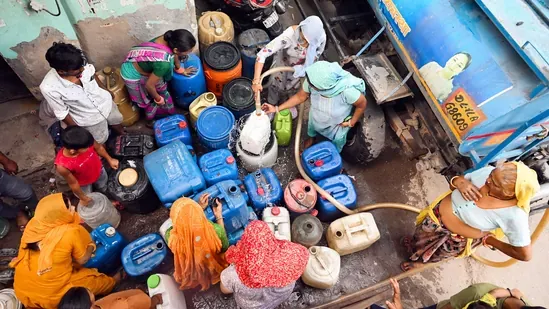
Delhi faces a significant water crisis marked by a 250 million gallons per day demand-supply gap, largely due to distribution inefficiencies and heavy reliance on water imports from neighboring states. Experts highlight that over half of treated water is lost through leaks and theft, while rainwater harvesting and groundwater recharge remain underutilized. Addressing internal water management, infrastructure leaks, and enhancing conservation practices are seen as immediate priorities to improve the city's water security amid growing demand and interstate challenges.
First-hand measurement across 2 sources
We measured how 2 outlets covered this story. Coverage leans balanced overall (Left 15%, Centre 80%, Right 5%). Overall sentiment is neutral (45/100). Lens Score 27/100 — low public interest.
Outlets analysed (first-hand measurement by TBN's Bias Engine):
- hindustantimes— balanced framing, neutral sentiment
- hindustantimes— balanced framing, neutral sentiment
AI Analysis
The articles primarily present a governance-focused perspective, emphasizing systemic management issues over political blame. They reference interstate disputes but focus on internal inefficiencies and policy shortcomings without attributing fault to specific political actors. The coverage reflects a technocratic viewpoint advocating for infrastructure improvements and better resource management, representing expert and administrative concerns rather than partisan narratives.
The overall tone is cautionary and pragmatic, acknowledging the severity of Delhi's water challenges while emphasizing practical solutions. The sentiment is mixed, combining concern over current shortages and losses with optimism about achievable improvements through better management and conservation. There is no sensationalism; instead, the articles maintain a constructive approach focused on policy and technical remedies.