Skip to content
Get the Balanced News app for a better experience!
The Balanced News Logo
Analytics
The Balanced News Logo

Stay Balanced, Stay Informed

Menu
  • Browse News
  • Underreported Stories
  • Curated Feeds
  • Insights
  • Analytics
  • Our Writers
  • About Us
  • Download App
Learn
  • How It Works
  • Bias Detection
  • Lens Score
  • Source Bias Checker
  • Accountability
  • Custom Feeds
Newsroom
  • Writers & Analysts
  • About TBN
  • Editorial Standards
  • Corrections Policy
  • Our Partners
  • Insights
Socials
  • Youtube
  • Instagram
  • X
  • Facebook
News Categories
  • Trending
  • Politics
  • Sports
  • Business
  • Tech
  • Entertainment
  • Health
  • Science
  • Crime
  • Lifestyle
  • National
  • International
  • Good News
  • Crypto

Get Our App

Available for iOS and Android


LensFeedsInsightsAnalyticsTrendingGood NewsSportsPoliticsBusinessCrimeTechEntertainmentHealthNationalInternational

© 2026 The Balanced News. All rights reserved.

About UsEditorial StandardsCorrectionsHelp & SupportPrivacy PolicyTerms & Conditions
African Lovegrasses Introduced in 1930s Spread Widely, Affect Native Plant Diversity
Categories

Categories

Related Coverage

Select a news story to see related coverage from other media outlets.

Related Coverage

Select a news story to see related coverage from other media outlets.

  1. Home
  2. /
  3. Social

African Lovegrasses Introduced in 1930s Spread Widely, Affect Native Plant Diversity

Analysed 19 Oct 2026·2 sources analysed·Oklahoma, United States·Social
African Lovegrasses Introduced in 1930s Spread Widely, Affect Native Plant DiversityPreviousNext

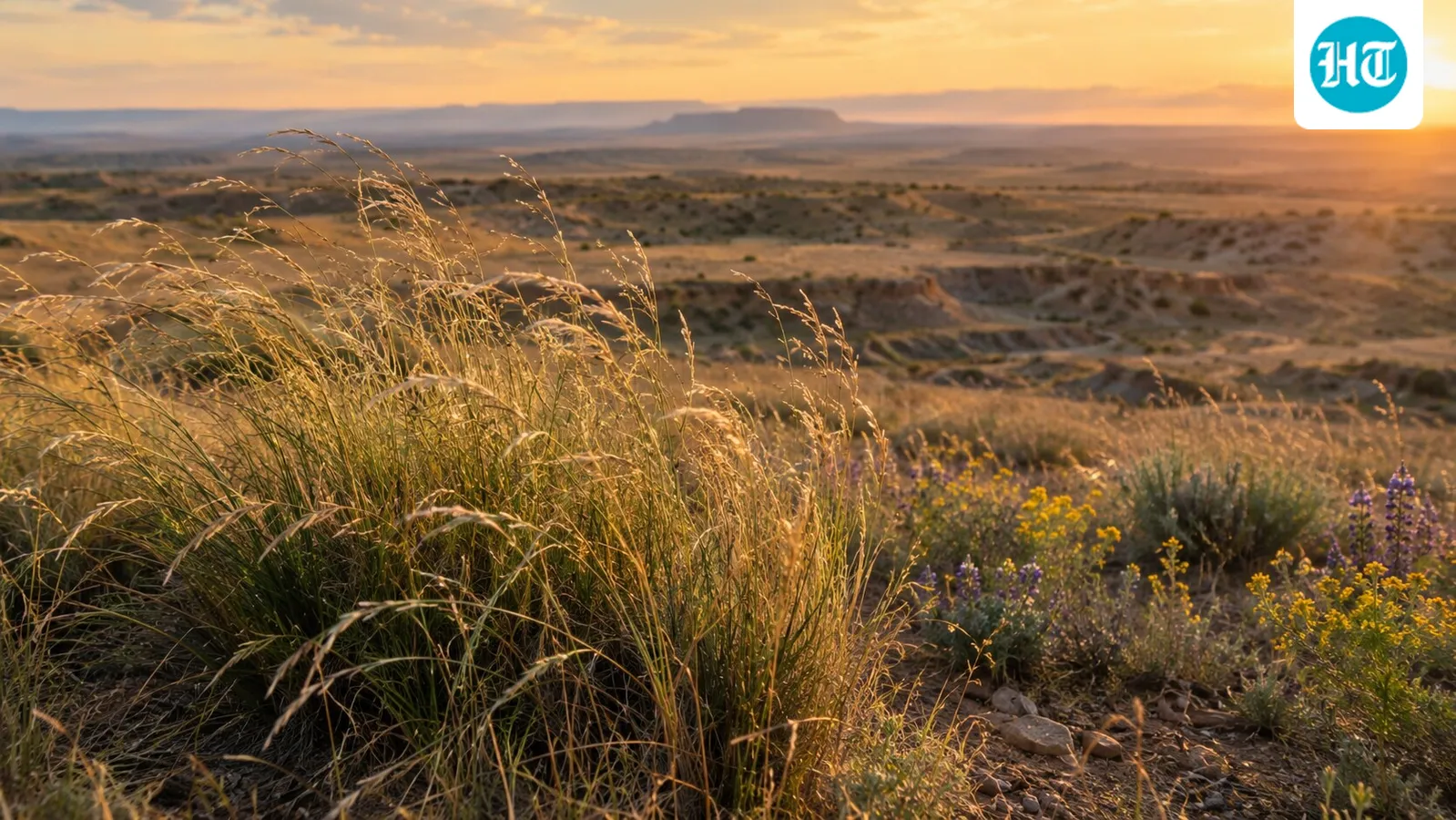
Weeping lovegrass and Lehmann lovegrass, both introduced from Africa in the 1930s to control soil erosion and support grazing in the U.S., spread extensively across Oklahoma, Texas, and Arizona. While effective in stabilizing soil, studies found these grasses reduced native plant diversity and expanded beyond planted areas, covering millions of acres by the late 20th century. Research highlights their ecological impact, including dominance over native species in affected regions.

Sentiment
51%
TBN's observations

First-hand measurement across 2 sources

We measured how 2 outlets covered this story. No outlet gave this story a measurable political slant — there is no left–right reading to report. Overall sentiment is neutral (51/100). Lens Score 30/100.

Outlets measured: hindustantimes, hindustantimes. See how each one headlined and framed the same story in the source comparison below.

AI analysis of 2 sources · Published under editorial oversight by The Balanced News
Analysed 19 Oct 2026· How this analysis is produced· Editorial standards· Corrections

AI Analysis

Sentiment — Neutral (51/100)

Sentiment was consistent across outlets (50–52/100), indicating broadly factual reporting rather than editorialising.

Coverage timeline

hindustantimes broke this story on 19 Oct, 05:15 am. Other outlets followed.

19 Oct, 05:15 am2 sources · 11 min19 Oct, 05:26 am
AI analysis by the TBN Bias Engine · beat methodology byAniket Awate· Culture & Digital Media Writer· editorial standards byOjas Kale
← Previous
Canadian Creator Urges Indian Citizens to Take Active Role in City Improvements
Next →
Devotees Offer Early Morning Anjali at Durga Puja Pandals Across Bengal on Mahashtami
  • 1
    hindustantimes19 Oct, 05:15 am
    After Lehmann lovegrass was introduced to Arizona in 1932, it was planted in more than 172,000 acres; by 1988, it dominated about 347,000 acres
  • 2
    hindustantimes19 Oct, 05:26 am
    In 1935, weeping lovegrass was planted in Oklahoma to stop erosion; one strain later covered 2 million acres, and studies found lower plant diversity
  • Who's involved

    Institutions and figures named across source coverage.

    Government
    United States Department of Agriculture Forest Service

    Story context

    Category
    Social
    Location
    Oklahoma, United States
    Sources analysed
    2
    Last analysed
    19 Oct 2026
    Key entities
    United States Forest ServicePoaceaePlantEragrostisSpeciesArizonaNative speciesGrasslandOklahomaUnited StatesErosion controlTopsoil