India Launches Unified Child Healthcare Programme and New Health Initiatives
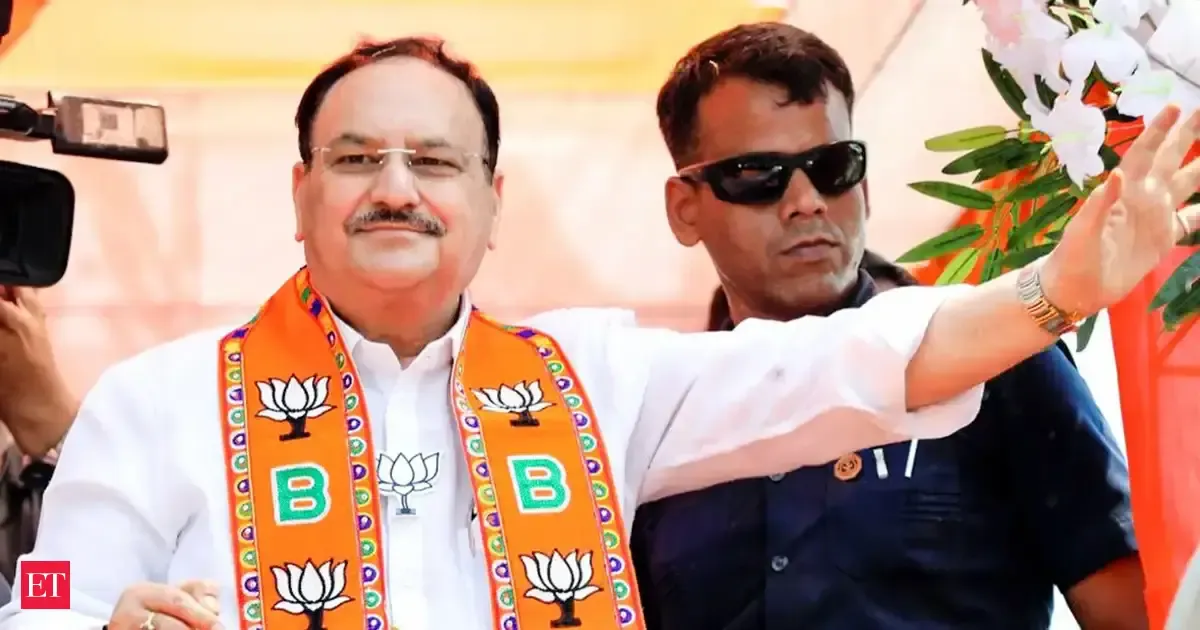
The Indian government, led by Union Health Minister JP Nadda, launched the Samagra Shishu Bal Swasthya Karyakram (SSBSK) during the 16th Conference of the Central Council of Health and Family Welfare. This unified child healthcare programme integrates existing initiatives to provide risk-stratified, home-based care for children up to 36 months, including up to nine home visits for at-risk newborns. Alongside SSBSK, the government introduced the National Ambulance Services guidelines and the SUMAN Roadmap 2030 to enhance emergency response and maternal health services nationwide.
First-hand measurement across 4 sources
We measured how 4 outlets covered this story. Coverage leans balanced overall (Left 8%, Centre 86%, Right 6%). Overall sentiment is positive (75/100). Lens Score 34/100 — low public interest.
Outlets analysed (first-hand measurement by TBN's Bias Engine):
- indiatoday— balanced framing, positive sentiment
- ndtv— balanced framing, positive sentiment
- ndtv— balanced framing, positive sentiment
- economictimes— balanced framing, positive sentiment
AI Analysis
The articles present a government-led health policy initiative with a focus on public welfare, primarily reflecting official statements and government perspectives. Coverage emphasizes the government's commitment to improving healthcare infrastructure and services without critical opposition viewpoints. The framing is largely neutral, highlighting policy details and expected benefits without partisan commentary.
The overall tone across the articles is positive, emphasizing progress and improvements in healthcare delivery. The coverage highlights the government's efforts to enhance child health, emergency services, and maternal care, portraying these initiatives as constructive steps toward national health goals. There is minimal critical or negative sentiment, focusing instead on policy announcements and their intended impact.