Usha Vance Responds to New York Times Analysis of Her Maternity Dress
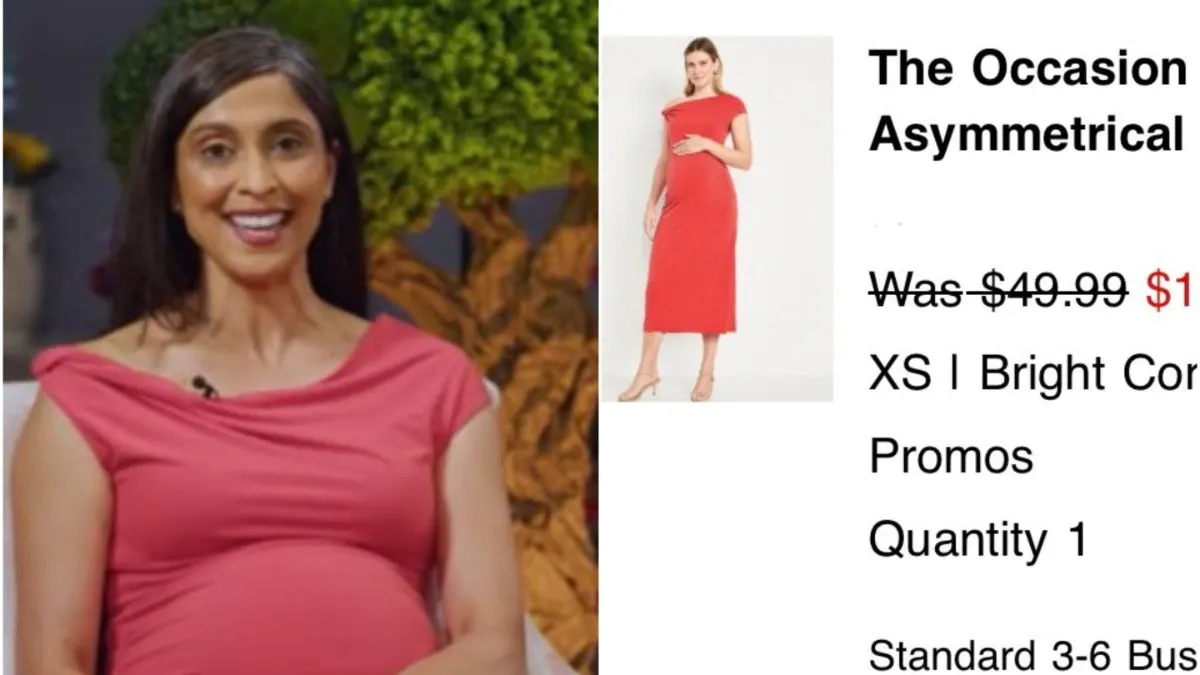
US Second Lady Usha Vance responded with humor after The New York Times analyzed the political symbolism of her $8.75 coral maternity dress worn during a Father's Day episode of her YouTube series. The article linked the visible pregnancies of women in President Trump's circle, including Vance, White House Press Secretary Karoline Leavitt, and Katie Miller, to the administration's emphasis on family and fertility. Vance shared a receipt to highlight the dress's affordability, dismissing the notion of deeper political meaning.
First-hand measurement across 7 sources
We measured how 7 outlets covered this story. Coverage leans balanced overall (Left 20%, Centre 76%, Right 4%). Overall sentiment is positive (66/100). Lens Score 33/100 — low public interest.
Outlets analysed (first-hand measurement by TBN's Bias Engine):
- ndtv— balanced framing, neutral sentiment
- news18— balanced framing, positive sentiment
- news18— balanced framing, positive sentiment
- indiatvnews— balanced framing, positive sentiment
- firstpost— left-leaning framing, neutral sentiment
- indiatoday— balanced framing, positive sentiment
- timesnow— balanced framing, positive sentiment
AI Analysis
The article group presents perspectives focusing on the intersection of fashion and politics within President Trump's circle, highlighting views from The New York Times that interpret maternity fashion as politically symbolic. Usha Vance's responses introduce a counter-narrative emphasizing personal choice and humor. Coverage includes viewpoints from political insiders and fashion critics, reflecting both interpretive and dismissive stances without favoring any side.
The overall tone across the articles is mixed, combining analytical commentary on political symbolism with lighthearted and humorous reactions from Usha Vance. While the New York Times article adopts a serious, interpretive approach, Vance's responses and social media posts inject levity, resulting in a balanced sentiment that neither strongly criticizes nor endorses the political interpretations.