Skip to content
Get the Balanced News app for a better experience!
The Balanced News Logo
Analytics
The Balanced News Logo

Stay Balanced, Stay Informed

Menu
  • Browse News
  • Underreported Stories
  • Curated Feeds
  • Insights
  • Analytics
  • Our Writers
  • About Us
  • Download App
Learn
  • How It Works
  • Bias Detection
  • Lens Score
  • Source Bias Checker
  • Accountability
  • Custom Feeds
Newsroom
  • Writers & Analysts
  • About TBN
  • Editorial Standards
  • Corrections Policy
  • Our Partners
  • Insights
Socials
  • Youtube
  • Instagram
  • X
  • Facebook
News Categories
  • Trending
  • Politics
  • Sports
  • Business
  • Tech
  • Entertainment
  • Health
  • Science
  • Crime
  • Lifestyle
  • National
  • International
  • Good News
  • Crypto

Get Our App

Available for iOS and Android


LensFeedsInsightsAnalyticsTrendingGood NewsSportsPoliticsBusinessCrimeTechEntertainmentHealthNationalInternational

© 2026 The Balanced News. All rights reserved.

About UsEditorial StandardsCorrectionsHelp & SupportPrivacy PolicyTerms & Conditions
Origins and Meaning of Nepal's 'Sati le Sarape ko Desh' Legend Explored
Categories

Categories

Related Coverage

Select a news story to see related coverage from other media outlets.

Related Coverage

Select a news story to see related coverage from other media outlets.

  1. Home
  2. /
  3. Social

Origins and Meaning of Nepal's 'Sati le Sarape ko Desh' Legend Explored

Analysed 2 Sept 2026·2 sources analysed·Nepal·Social
Origins and Meaning of Nepal's 'Sati le Sarape ko Desh' Legend ExploredPreviousNext

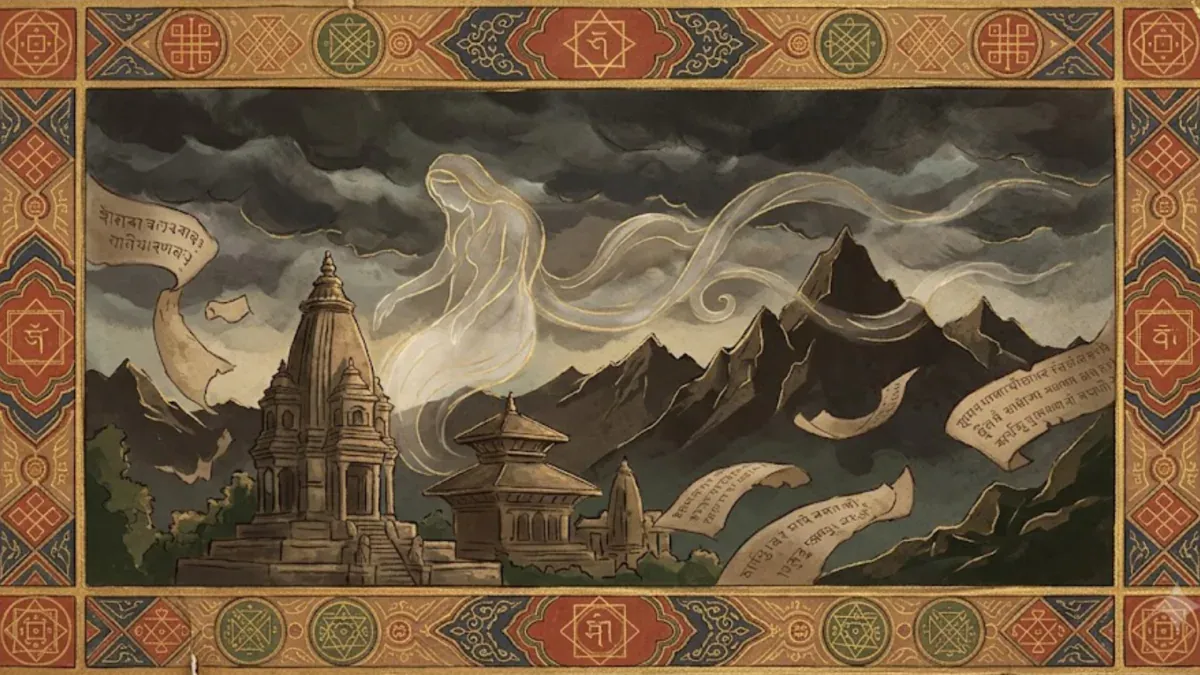
The phrase 'Sati le Sarape ko Desh,' meaning 'the land cursed by Sati,' originates from a 17th-century legend during Nepal's Malla dynasty. It centers on Bhim Malla, a powerful court official executed amid court rivalries, and his wife Bhuvanlaxmi, who reportedly cursed the kingdom before committing Sati. While the story blends history and folklore, it symbolizes Nepal's historical political struggles and is often referenced in discussions of the country's misfortunes and instability.

Sentiment
51%
TBN's observations

First-hand measurement across 2 sources

We measured how 2 outlets covered this story. No outlet gave this story a measurable political slant — there is no left–right reading to report. Overall sentiment is neutral (51/100). Lens Score 27/100.

Outlets measured: news18, firstpost. See how each one headlined and framed the same story in the source comparison below.

AI analysis of 2 sources · Published under editorial oversight by The Balanced News
Analysed 2 Sept 2026· How this analysis is produced· Editorial standards· Corrections

AI Analysis

Sentiment — Neutral (51/100)

Sentiment was consistent across outlets (50–52/100), indicating broadly factual reporting rather than editorialising.

Coverage timeline

firstpost broke this story on 2 Sept, 04:02 am. Other outlets followed.

2 Sept, 04:02 am2 sources · 12 h2 Sept, 04:32 pm
AI analysis by the TBN Bias Engine · beat methodology byAniket Awate· Culture & Digital Media Writer· editorial standards byOjas Kale
← Previous
India Faces Growing Dementia Challenge with 16.9 Million Seniors Affected by 2036
Next →
Bihar Opens All Sone Barrage Gates as Rivers Rise Above Danger Levels
1
firstpost2 Sept, 04:02 am
Why Nepal is called 'Sati le Sarape ko Desh': Is the country really cursed?
  • 2
    news182 Sept, 04:32 pm
    Is Nepal A Cursed Land? The Truth Behind 'Sati Le Sarapeko Desh' And The Story's Spiritual Origins
  • Story context

    Category
    Social
    Location
    Nepal
    Sources analysed
    2
    Last analysed
    2 Sept 2026
    Key entities
    Malla dynasty (Nepal)Sati (practice)NepalNarasimhaKathmandu ValleyFolklorePyreTibetSupernaturalMetaphorSouth AsiaMorality