Skip to content
Get the Balanced News app for a better experience!
The Balanced News Logo
Analytics
The Balanced News Logo

Stay Balanced, Stay Informed

Menu
  • Browse News
  • Underreported Stories
  • Curated Feeds
  • Insights
  • Analytics
  • Our Writers
  • About Us
  • Download App
Learn
  • How It Works
  • Bias Detection
  • Lens Score
  • Source Bias Checker
  • Accountability
  • Custom Feeds
Newsroom
  • Writers & Analysts
  • About TBN
  • Editorial Standards
  • Corrections Policy
  • Our Partners
  • Insights
Socials
  • Youtube
  • Instagram
  • X
  • Facebook
News Categories
  • Trending
  • Politics
  • Sports
  • Business
  • Tech
  • Entertainment
  • Health
  • Science
  • Crime
  • Lifestyle
  • National
  • International
  • Good News
  • Crypto

Get Our App

Available for iOS and Android


LensFeedsInsightsAnalyticsTrendingGood NewsSportsPoliticsBusinessCrimeTechEntertainmentHealthNationalInternational

© 2026 The Balanced News. All rights reserved.

About UsEditorial StandardsCorrectionsHelp & SupportPrivacy PolicyTerms & Conditions
Studies Highlight Seasonal and Agricultural Factors in Human-Elephant Conflicts in India
Categories

Categories

Related Coverage

Select a news story to see related coverage from other media outlets.

Related Coverage

Select a news story to see related coverage from other media outlets.

  1. Home
  2. /
  3. Social

Studies Highlight Seasonal and Agricultural Factors in Human-Elephant Conflicts in India

Analysed 26 Aug 2026·2 sources analysed·Karnataka, India·Social
Studies Highlight Seasonal and Agricultural Factors in Human-Elephant Conflicts in IndiaPreviousNext

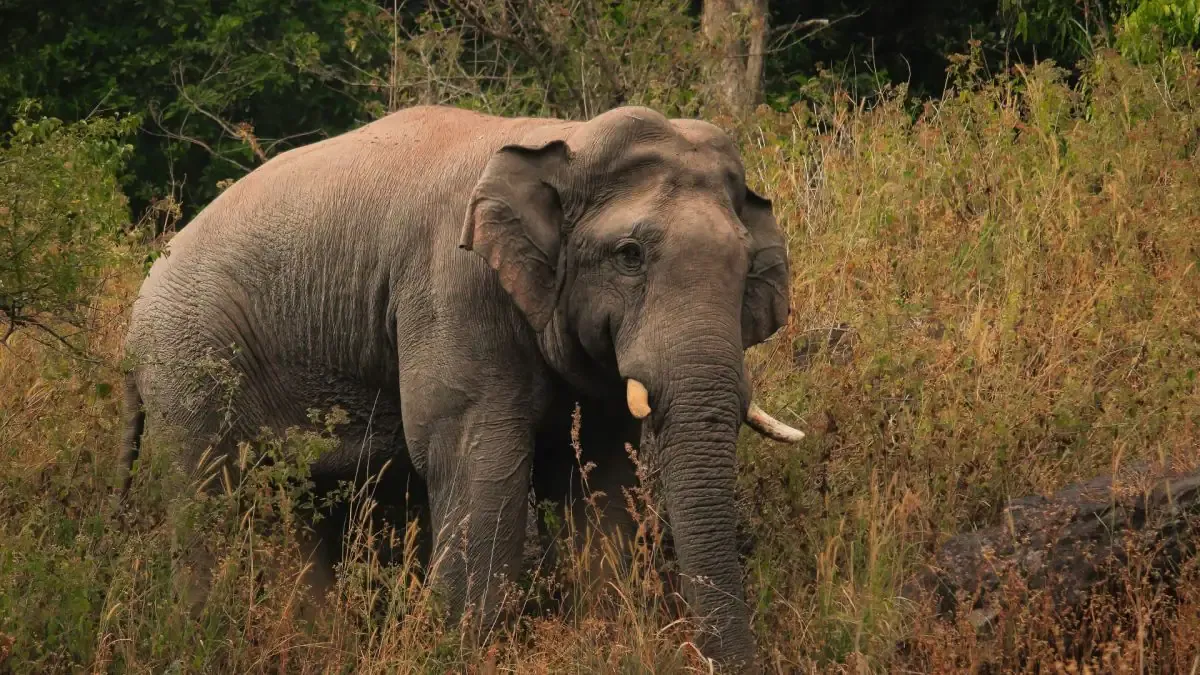
Recent studies in Kerala and Karnataka highlight human-elephant conflict as a significant issue linked to seasonal and land-use factors. In Kerala, the Munnar landscape recorded the highest number of elephant attack fatalities over 18 years, with monsoon seasons seeing the most incidents. Karnataka research found that crop damage and conflicts peak during the post-monsoon harvest season near wildlife reserves, with many incidents likely unreported. Both studies emphasize habitat changes and agricultural proximity as key contributors to conflicts.

Sentiment
50%
TBN's observations

First-hand measurement across 2 sources

We measured how 2 outlets covered this story. No outlet gave this story a measurable political slant — there is no left–right reading to report. Overall sentiment is neutral (50/100). Lens Score 46/100.

Outlets measured: firstpost, thehindu. See how each one headlined and framed the same story in the source comparison below.

AI analysis of 2 sources · Published under editorial oversight by The Balanced News
Analysed 26 Aug 2026· How this analysis is produced· Editorial standards· Corrections

AI Analysis

Sentiment — Neutral (50/100)

Sentiment was consistent across outlets (48–52/100), indicating broadly factual reporting rather than editorialising.

Coverage timeline

thehindu broke this story on 25 Aug, 11:46 am. Other outlets followed.

25 Aug, 11:46 am2 sources · 23 h26 Aug, 10:24 am
  1. 1
AI analysis by the TBN Bias Engine · beat methodology byAniket Awate· Culture & Digital Media Writer· editorial standards byOjas Kale
← Previous
EPFO Credits August Pensions Early to Over 4.4 Lakh Kerala Pensioners Ahead of Onam
Next →
Delhi Entrepreneur Hires Single Mother Who Becomes Top Performer
thehindu25 Aug, 11:46 am
Munnar landscape accounts for highest number of deaths in wild elephant attacks in Keralam
  • 2
    firstpost26 Aug, 10:24 am
    Human-elephant conflict in India peaks during harvest season, study finds
  • Accountability flags

    TBN's analysis identified the following accountability dimensions in this story.

    • public safety issue

      This story involves a risk to public safety — infrastructure failure, regulatory lapse, hazardous conditions, or emergency mishandling.

    Who's involved

    Institutions and figures named across source coverage.

    Government
    Union Ministry of Environment, Forest and Climate ChangeLocal Government Authorities

    Story context

    Category
    Social
    Location
    Karnataka, India
    Sources analysed
    2
    Last analysed
    26 Aug 2026
    Key entities
    ElephantIndiaConservation biologyHabitat fragmentationMunnarMinistry of Environment, Forest and Climate ChangeWildlife Institute of IndiaWet seasonKottayamNilamburMorus (plant)Western Ghats