West Bengal's Terracotta Temples Reflect Diverse Patrons and Unique Architecture
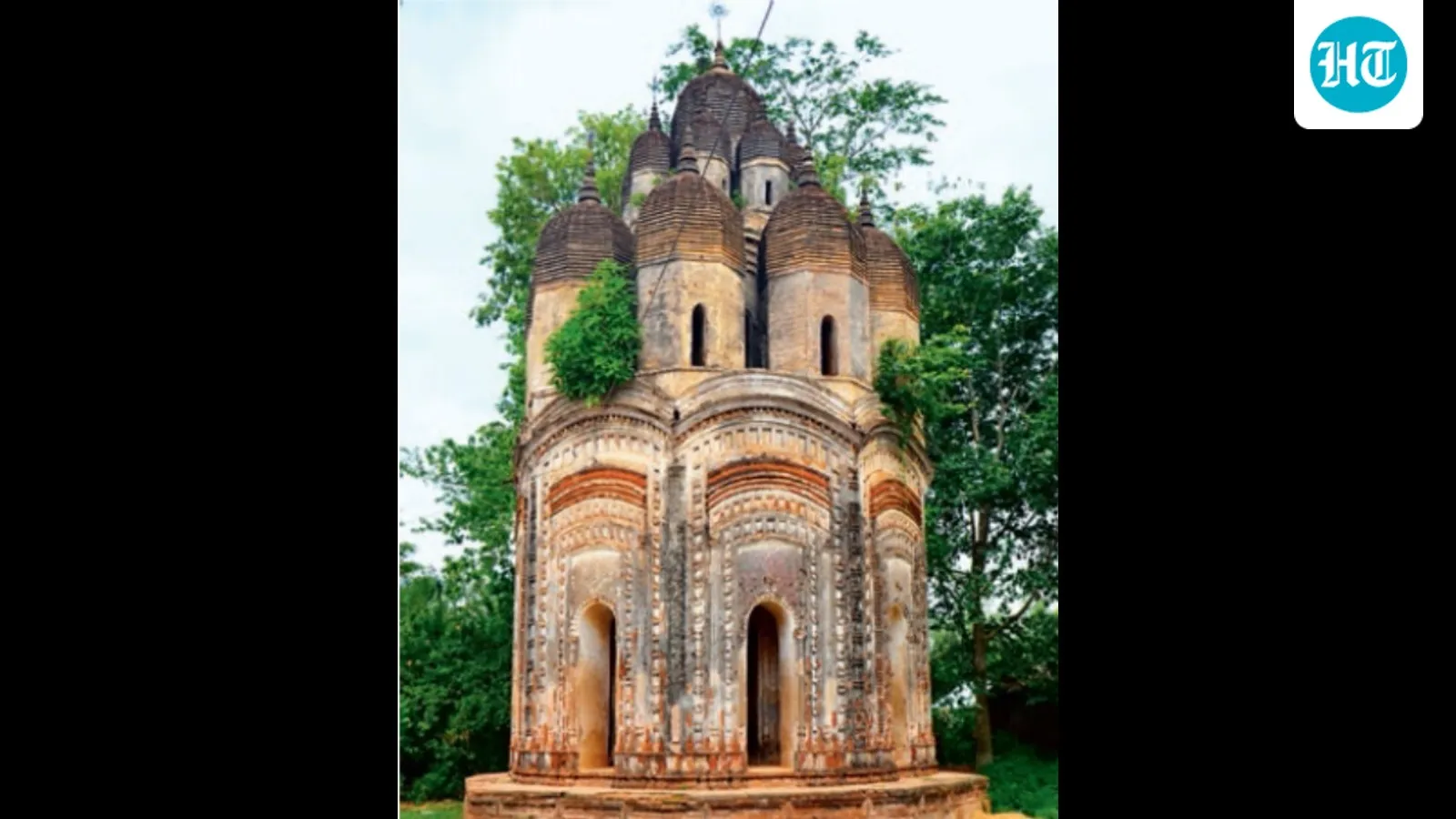
West Bengal's terracotta temples, built between the 1400s and 1900s, showcase unique architecture blending Persian, European, and local motifs. While some were commissioned by kings and zamindars, many were sponsored by merchants, reflecting their rising wealth during the Mughal era. These temples served religious and social functions, particularly for the Vaishnav community. Despite their historical and artistic significance, fewer than 1,000 survive today, with only about 400 well-maintained, highlighting the need for preservation efforts.
First-hand measurement across 2 sources
We measured how 2 outlets covered this story. No outlet gave this story a measurable political slant — there is no left–right reading to report. Overall sentiment is positive (62/100). Lens Score 35/100.
Outlets measured: hindustantimes, hindustantimes. See how each one headlined and framed the same story in the source comparison below.
AI Analysis
Sentiment was consistent across outlets (50–74/100), indicating broadly factual reporting rather than editorialising.
Coverage timeline
hindustantimes broke this story on 15 Aug, 10:09 am. Other outlets followed.