Scientists Explore How Cats Observe and Respond to Human Behavior and Health
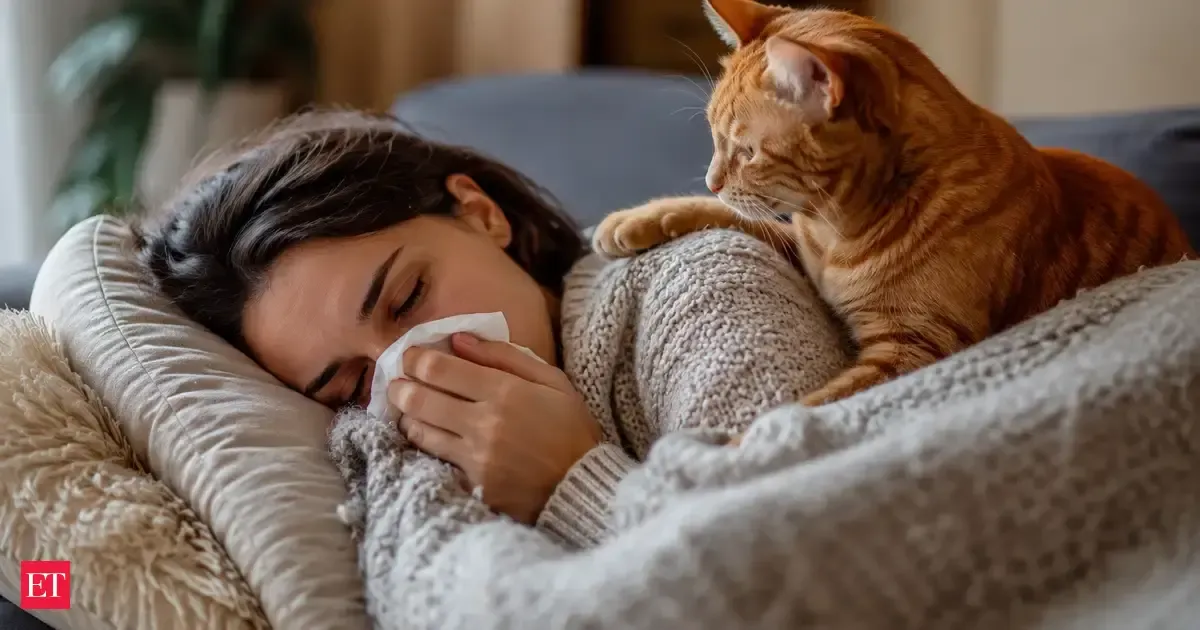
Recent scientific research highlights cats' keen ability to observe their owners' behaviors, routines, and subtle changes such as facial expressions and scents linked to stress or illness. While cats do not understand human emotions or diseases as people do, they often respond attentively, such as staring from a distance or staying close during times of sickness or emotional distress. Experts explain these behaviors as forms of feline communication and environmental monitoring rather than direct emotional comprehension.
First-hand measurement across 2 sources
We measured how 2 outlets covered this story. Coverage leans balanced overall (Left 0%, Centre 100%, Right 0%). Overall sentiment is positive (75/100). Lens Score 29/100 — low public interest.
Outlets analysed (first-hand measurement by TBN's Bias Engine):
- economictimes— balanced framing, positive sentiment
- economictimes— balanced framing, positive sentiment
AI Analysis
The articles present a neutral scientific perspective focusing on animal behavior research without political framing. They emphasize expert insights from veterinary and feline health organizations, avoiding political or ideological viewpoints. The coverage centers on understanding feline-human interactions through behavioral science, reflecting a consensus among specialists rather than partisan narratives.
The overall tone across the articles is positive and informative, highlighting intriguing aspects of cat behavior that may deepen the human-animal bond. The sentiment is curious and appreciative of scientific findings, with no negative or controversial elements. The coverage encourages readers to consider cats' attentive behaviors as meaningful, fostering a sense of connection and understanding.