Cyclone Senyar Kills 58 Critically Endangered Tapanuli Orangutans in Sumatra
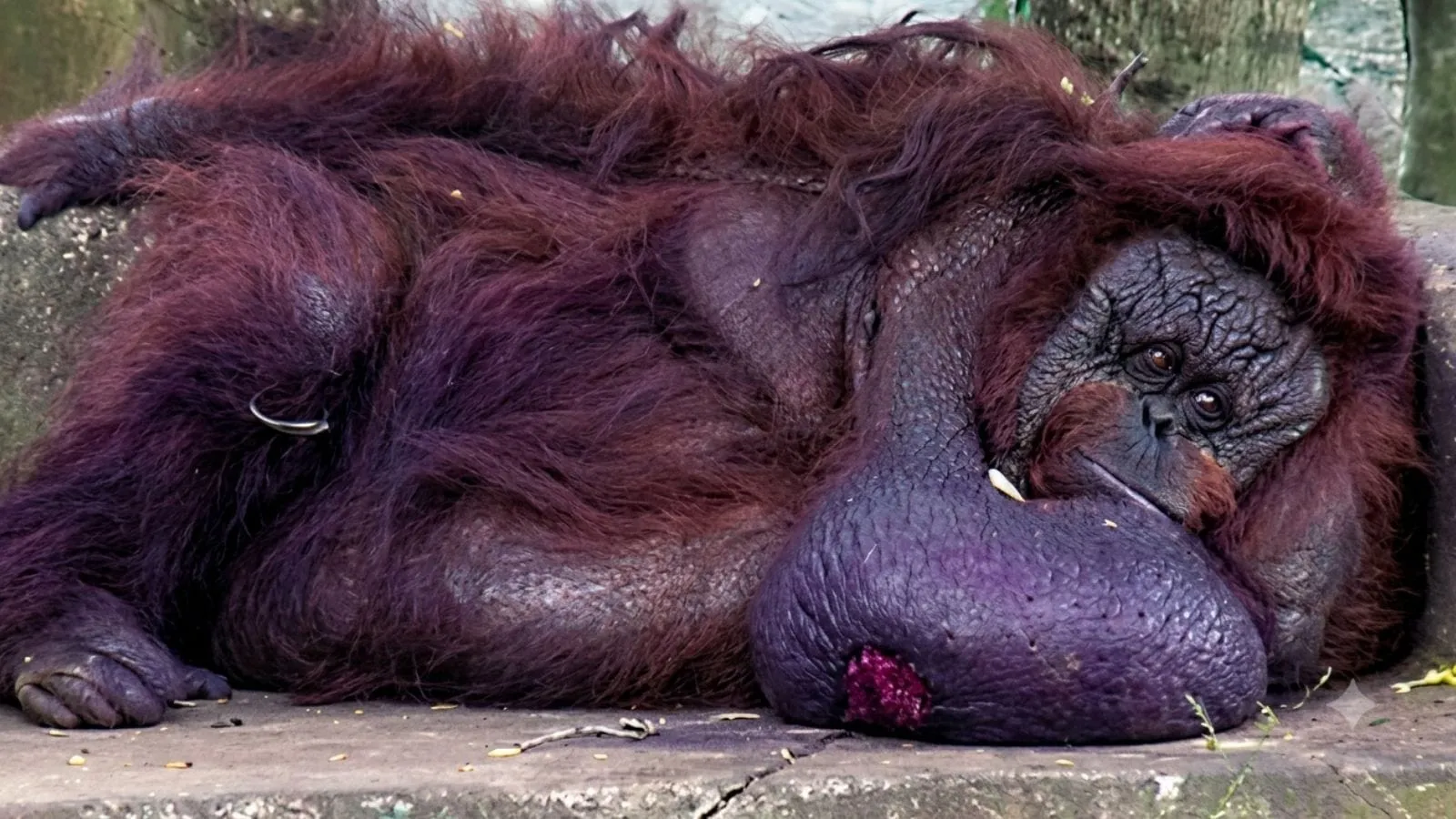
Cyclone Senyar struck Sumatra in late November 2025, causing extreme rainfall and landslides that killed an estimated 58 critically endangered Tapanuli orangutans, about 7% of the species' population. This loss significantly exceeds the annual 1% mortality threshold that risks extinction. Researchers highlight that the death toll likely underestimates longer-term impacts from habitat damage. Climate change is noted as a contributing factor, and the Indonesian government has temporarily halted major developments in the Batang Toru forest to protect the species.
First-hand measurement across 2 sources
We measured how 2 outlets covered this story. Coverage leans balanced overall (Left 30%, Centre 70%, Right 0%). Overall sentiment is negative (30/100). Lens Score 39/100 — moderate-to-low public interest.
Outlets analysed (first-hand measurement by TBN's Bias Engine):
- news18— balanced framing, negative sentiment
- indianexpress— left-leaning framing, negative sentiment
AI Analysis
The articles primarily present scientific and conservationist perspectives, focusing on the ecological impact of Cyclone Senyar on the Tapanuli orangutan population. They include statements from researchers and mention government actions without political framing or partisan commentary. The coverage emphasizes environmental concerns and species protection, reflecting a consensus on the urgency of conservation efforts.
The overall tone is serious and somber, reflecting the significant loss to a critically endangered species. While the articles convey concern and urgency about the ecological damage and extinction risk, they also note government measures to mitigate further harm. The sentiment is predominantly negative due to the disaster's impact but includes cautious hope through conservation responses.