Rapid Urban Growth in Visakhapatnam Linked to Declining Groundwater Levels
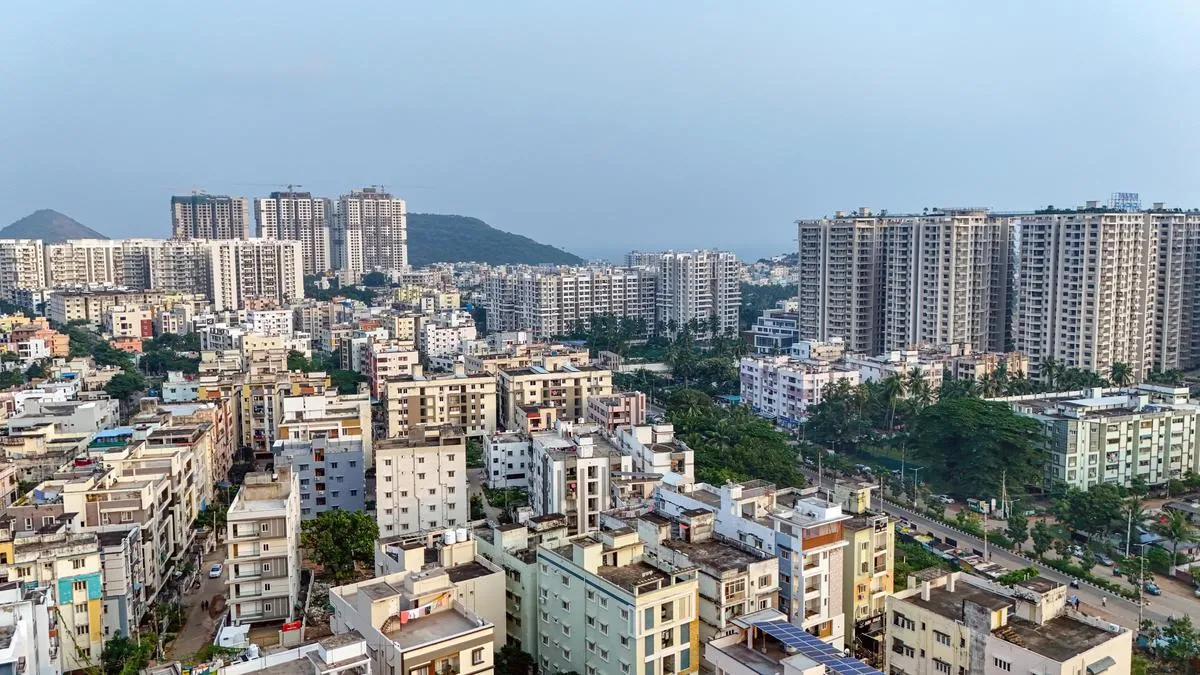
Visakhapatnam's rapid urban growth, especially in northern suburbs like Yendada, Madhurawada, and Arilova, is causing significant groundwater depletion, with levels dropping up to 31.69 metres below ground. Experts attribute this to increased water consumption and reduced natural recharge due to extensive concrete coverage. While municipal water sources remain stable, reliance on deep borewells is rising, intensifying pressure on aquifers and risking faster drying of shallower wells. Authorities warn that urban planning and water management must improve to address this challenge.
First-hand measurement across 2 sources
We measured how 2 outlets covered this story. Coverage leans balanced overall (Left 10%, Centre 85%, Right 5%). Overall sentiment is neutral (40/100). Lens Score 36/100 — moderate-to-low public interest.
Outlets analysed (first-hand measurement by TBN's Bias Engine):
- thehindu— balanced framing, neutral sentiment
- thehindu— balanced framing, neutral sentiment
AI Analysis
The articles primarily present expert and official perspectives on groundwater depletion without political framing. They focus on technical data and urban development impacts, reflecting government monitoring and academic analysis. There is no evident partisan viewpoint; coverage centers on environmental and infrastructural concerns, representing both administrative insights and expert warnings.
The tone across the articles is cautionary and factual, highlighting environmental stress due to urban expansion. While municipal water supply is described as stable, the emphasis on groundwater decline and potential risks conveys concern. The sentiment is balanced, combining reassurance about current water availability with warnings about future sustainability challenges.
How 2 sources covered this story
Each source's own headline, political lean, and sentiment — so you can see framing differences at a glance.