Maharashtra Approves Rs 260 Crore Plan to Address Human-Wildlife Conflict Using AI
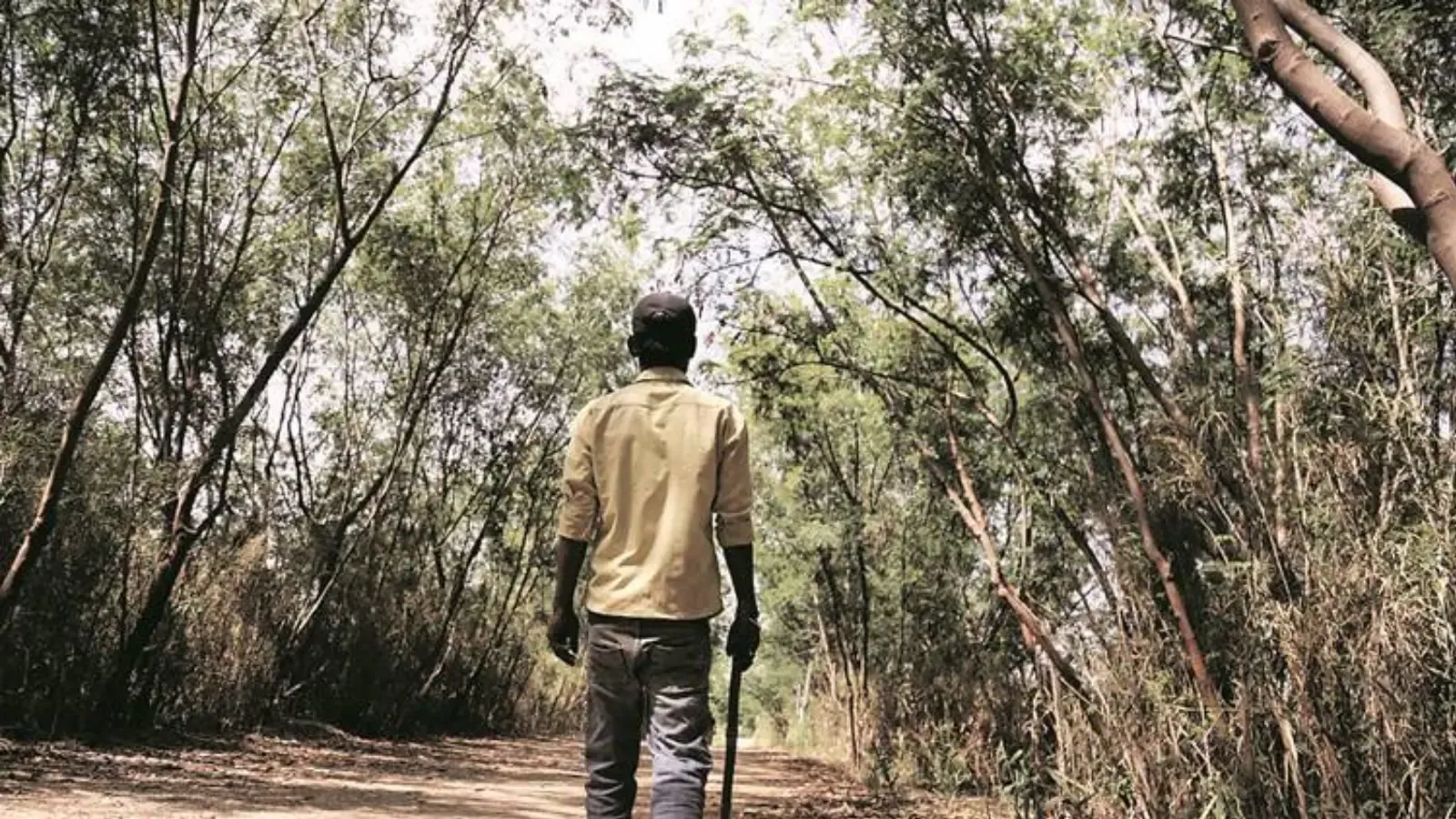
Following multiple fatal tiger attacks in Maharashtra's Chandrapur district, the State Wildlife Board Standing Committee approved a Rs 260 crore plan to reduce human-wildlife conflicts. The initiative includes establishing 10 control rooms with advanced digital systems, deploying AI-based alert systems in about 1,000 villages near forests, and creating rescue and treatment centers. Additionally, 20 rapid rescue teams and 2,000 primary response teams involving local villagers will support wildlife management and emergency responses across the state.
AI Analysis
The articles present the Maharashtra government's actions through official statements from the Forest Minister and Wildlife Board, focusing on policy implementation without partisan framing. Both sources emphasize government-led initiatives and community involvement, reflecting a neutral stance that highlights administrative responses to wildlife incidents without political critique or opposition viewpoints.
Coverage across the articles maintains a factual and constructive tone, emphasizing proactive government measures to prevent human-wildlife conflicts. While acknowledging recent fatal attacks, the sentiment is largely solution-oriented and neutral, focusing on planned interventions and technological deployments rather than emotional or sensational language.
How 2 sources covered this story
Each source's own headline, political lean, and sentiment — so you can see framing differences at a glance.