Skip to content
Get the Balanced News app for a better experience!
The Balanced News Logo
Analytics
The Balanced News Logo

Stay Balanced, Stay Informed

Menu
  • Browse News
  • Underreported Stories
  • Curated Feeds
  • Insights
  • Analytics
  • Our Writers
  • About Us
  • Download App
Learn
  • How It Works
  • Bias Detection
  • Lens Score
  • Source Bias Checker
  • Accountability
  • Custom Feeds
Newsroom
  • Writers & Analysts
  • About TBN
  • Editorial Standards
  • Corrections Policy
  • Our Partners
  • Insights
Socials
  • Youtube
  • Instagram
  • X
  • Facebook
News Categories
  • Trending
  • Politics
  • Sports
  • Business
  • Tech
  • Entertainment
  • Health
  • Science
  • Crime
  • Lifestyle
  • National
  • International
  • Good News
  • Crypto

Get Our App

Available for iOS and Android


LensFeedsInsightsAnalyticsTrendingGood NewsSportsPoliticsBusinessCrimeTechEntertainmentHealthNationalInternational

© 2026 The Balanced News. All rights reserved.

About UsEditorial StandardsCorrectionsHelp & SupportPrivacy PolicyTerms & Conditions
Long-Term Efforts Eradicate Invasive Fish to Restore Freshwater Ecosystems in Tasmania and Utah
Categories

Categories

Related Coverage

Select a news story to see related coverage from other media outlets.

Related Coverage

Select a news story to see related coverage from other media outlets.

  1. Home
  2. /
  3. Social

Long-Term Efforts Eradicate Invasive Fish to Restore Freshwater Ecosystems in Tasmania and Utah

Analysed 21 Aug 2026·2 sources analysed·Utah, United States·Social
Long-Term Efforts Eradicate Invasive Fish to Restore Freshwater Ecosystems in Tasmania and UtahPreviousNext

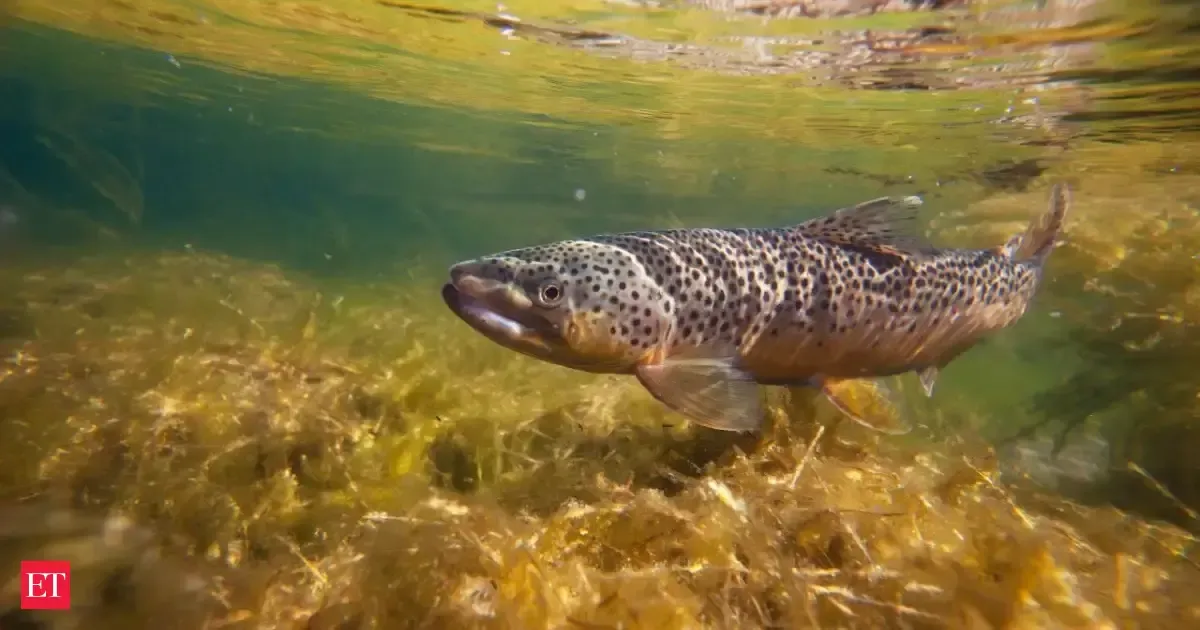
Two long-term efforts to restore freshwater ecosystems involved eradicating invasive fish species. In Tasmania, nearly 50,000 European carp were removed from Lake Crescent and Lake Sorell over 28 years, leading to their functional eradication by 2025. In Utah, officials used rotenone in 1990 to eliminate over 99% of fish biomass in Strawberry Reservoir, followed by trout restocking and barriers to prevent reinvasion. Both projects aimed to revive native species and improve fishery health through sustained, methodical interventions.

Sentiment
74%
TBN's observations

First-hand measurement across 2 sources

We measured how 2 outlets covered this story. No outlet gave this story a measurable political slant — there is no left–right reading to report. Overall sentiment is positive (74/100). Lens Score 43/100.

Outlets measured: economictimes, economictimes. See how each one headlined and framed the same story in the source comparison below.

AI analysis of 2 sources · Published under editorial oversight by The Balanced News
Analysed 21 Aug 2026· How this analysis is produced· Editorial standards· Corrections

AI Analysis

Sentiment — Positive (74/100)

Sentiment was consistent across outlets (74–75/100), indicating broadly factual reporting rather than editorialising.

Coverage timeline

economictimes broke this story on 21 Aug, 08:23 am. Other outlets followed.

21 Aug, 08:23 am2 sources · 4 h21 Aug, 11:54 am
AI analysis by the TBN Bias Engine · beat methodology byAniket Awate· Culture & Digital Media Writer· editorial standards byOjas Kale
← Previous
Woman Highlights Importance of Visibility and Networking Beyond Job Performance in Corporate Life
Next →
Community-Led Khagi Spice Initiative Supports Forest Conservation and Livelihoods in Arunachal Pradesh
1
economictimes21 Aug, 08:23 am
In 1995, a Tasmanian fisherman found a dead carp. What followed was a four-decade operation to remove nearly 50,000 European fish
  • 2
    economictimes21 Aug, 11:54 am
    In 1990, Utah officials killed more than 99 of the fish in a 17,000-acre reservoir; years later, it became a top trout fishery
  • Who's involved

    Institutions and figures named across source coverage.

    Government
    Tasmania Inland Fisheries ServiceUtah Wildlife Resources Agency

    Story context

    Category
    Social
    Location
    Utah, United States
    Sources analysed
    2
    Last analysed
    21 Aug 2026
    Key entities
    Invasive speciesFishWildlifeRotenoneEurasian carpLake CrescentCarpLakeTasmaniaElectrofishingEcosystemFisheries science