Examining Legal and Social Challenges in India’s LGBTQIA Rights Movement
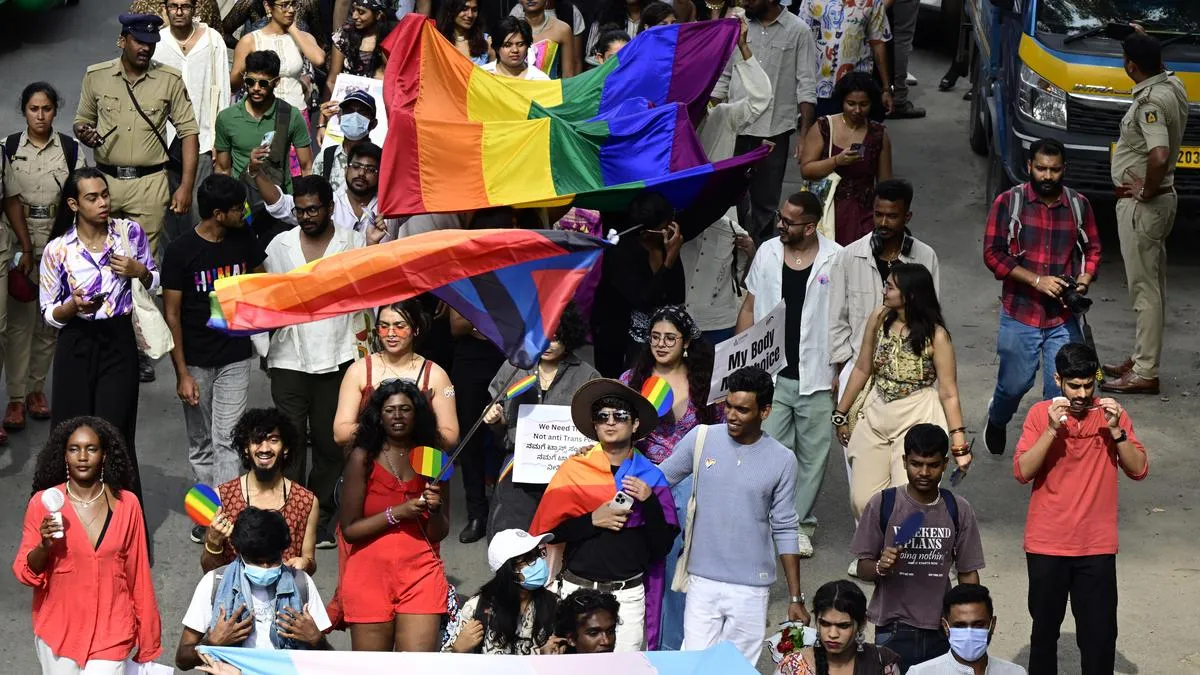
June marks Pride Month, commemorating the 1969 Stonewall riots that catalyzed the LGBTQIA rights movement. In India, legal advances have been made, including decriminalization of same-sex relations and recognition of gender self-determination. However, the 2026 Transgender Persons (Protection of Rights) Amendment Act introduces medical certification and bureaucratic processes, removing statutory self-identification rights. Advocate Jayna Kothari's essays highlight ongoing challenges faced by transgender individuals, emphasizing the gap between legal protections and lived experiences amid continued discrimination and struggles for basic rights.
First-hand measurement across 2 sources
We measured how 2 outlets covered this story. Coverage leans left-leaning overall (Left 70%, Centre 30%, Right 0%). Overall sentiment is neutral (52/100). Lens Score 29/100 — low public interest.
Outlets analysed (first-hand measurement by TBN's Bias Engine):
- thehindu— left-leaning framing, neutral sentiment
- thehindu— left-leaning framing, neutral sentiment
AI Analysis
The articles present a perspective focused on legal and social issues affecting the LGBTQIA community in India, highlighting both progress and setbacks. They emphasize concerns about recent legislative changes without partisan framing, reflecting advocacy and human rights viewpoints. The coverage centers on legal analysis and lived experiences, representing voices from within the community and legal experts, without overt political alignment.
The tone across the articles is measured and analytical, acknowledging both advancements and challenges in LGBTQIA rights. While recognizing positive legal milestones, the coverage expresses concern over recent legislative rollbacks and their impact on transgender individuals’ autonomy and dignity. Overall, the sentiment is cautiously critical but balanced, focusing on factual developments and ongoing struggles.