Dimethoate Use in India Raises Health Concerns Amid Export Pesticide Residue Issues
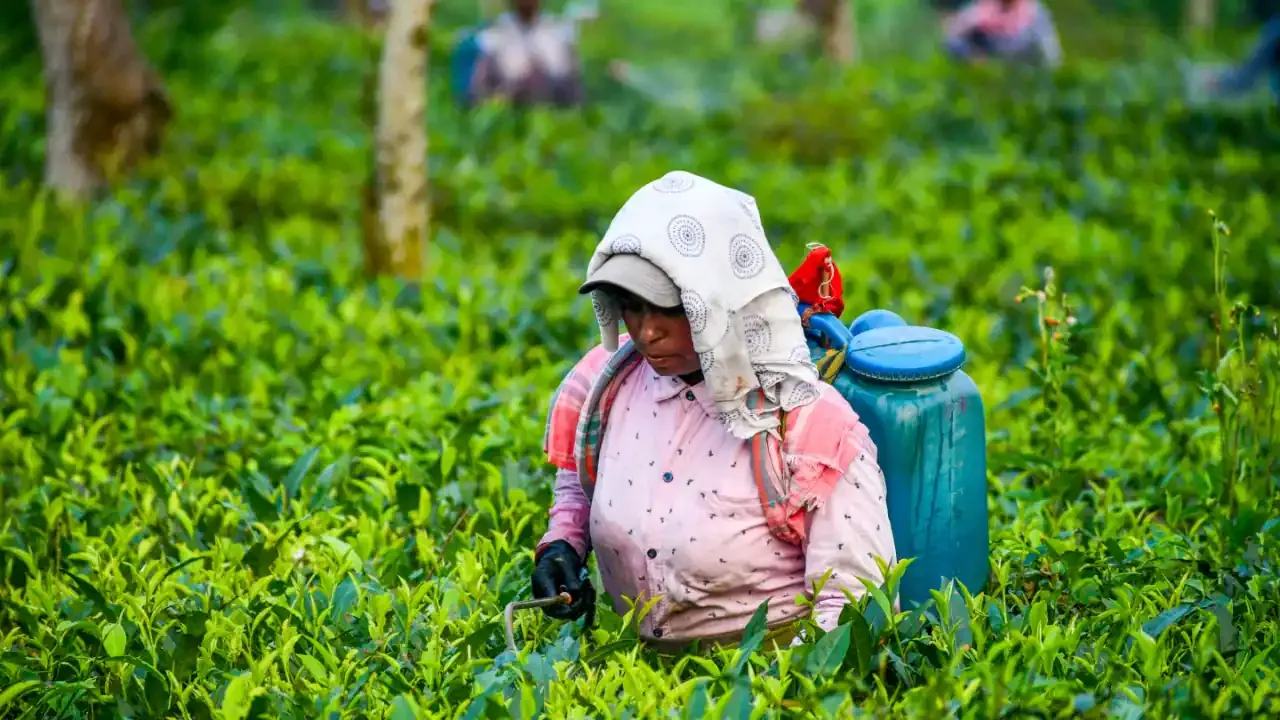
Dimethoate, an organophosphate insecticide linked to DNA damage and banned in 31 countries, remains widely used in India due to its low cost and broad pest control. Developed from chemicals originally designed as nerve agents, it poses health and environmental risks, including toxicity from its breakdown product Omethoate. Meanwhile, India faces increasing international scrutiny over pesticide residues in exports like chillies and mangoes, prompting calls for stricter testing and regulatory measures to address food safety concerns.
First-hand measurement across 3 sources
We measured how 3 outlets covered this story. Coverage leans balanced overall (Left 47%, Centre 48%, Right 5%). Overall sentiment is negative (33/100). Lens Score 39/100 — moderate-to-low public interest.
Outlets analysed (first-hand measurement by TBN's Bias Engine):
- zeenews— balanced framing, neutral sentiment
- indiatoday— balanced framing, negative sentiment
- newslaundry— left-leaning framing, neutral sentiment
AI Analysis
The articles present a range of perspectives including scientific concerns about Dimethoate's health risks, regulatory challenges in India, and international trade implications. Coverage includes government and industry responses to pesticide residue rejections, reflecting both critical and defensive viewpoints without overt political alignment. The framing focuses on public health, agricultural practices, and export standards rather than partisan politics.
The overall tone is cautious and critical, emphasizing health and environmental risks associated with Dimethoate and pesticide residues in exports. While highlighting challenges faced by farmers and exporters, the coverage also notes ongoing efforts by authorities to improve testing and regulation. The sentiment is mixed, combining concern over safety issues with recognition of economic and practical factors influencing pesticide use.