Canadian Wildfire Smoke Triggers Air Quality Alerts Across US Midwest and Northeast
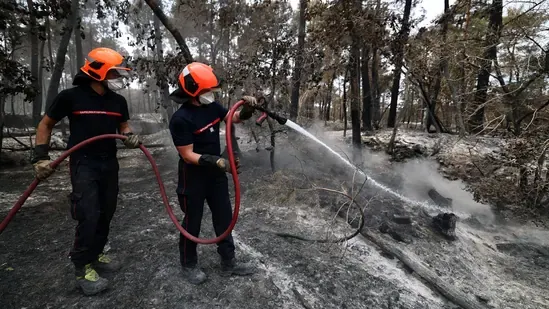
Smoke from over 830 wildfires in Canada and additional fires in northern Minnesota has spread across the U.S. Midwest and Northeast, prompting air quality alerts in multiple states including Minnesota, Michigan, Wisconsin, New York, and Massachusetts. The smoke has caused yellowish and hazy skies in cities like New York, Boston, and parts of Maine. Health officials warn that fine particulate pollution poses risks especially to sensitive groups such as children, older adults, and those with respiratory or heart conditions. The poor air quality is expected to persist through the week before weather changes may improve conditions.
First-hand measurement across 5 sources
We measured how 5 outlets covered this story. Coverage leans balanced overall (Left 0%, Centre 100%, Right 0%). Overall sentiment is neutral (34/100). Lens Score 28/100 — low public interest.
Outlets analysed (first-hand measurement by TBN's Bias Engine):
- thefinancialexpress— balanced framing, neutral sentiment
- mint— balanced framing, negative sentiment
- wion— balanced framing, negative sentiment
- hindustantimes— balanced framing, negative sentiment
- timesnow— balanced framing, negative sentiment
AI Analysis
The article group presents a largely factual and scientific perspective on the wildfire smoke event, focusing on environmental and health impacts without political framing. Sources emphasize meteorological data, official air quality alerts, and expert commentary on climate factors. There is minimal political interpretation, with coverage centered on public health advisories and environmental conditions affecting multiple U.S. states.
The overall tone across the articles is cautionary and neutral, highlighting health risks and environmental concerns without sensationalism. While the coverage underscores the seriousness of air quality deterioration and its effects on vulnerable populations, it maintains an informative and measured approach, focusing on warnings and expected developments rather than emotional or alarmist language.