Skip to content
Get the Balanced News app for a better experience!
The Balanced News Logo
Analytics
The Balanced News Logo

Stay Balanced, Stay Informed

Menu
  • Browse News
  • Underreported Stories
  • Curated Feeds
  • Insights
  • Analytics
  • Our Writers
  • About Us
  • Download App
Learn
  • How It Works
  • Bias Detection
  • Lens Score
  • Source Bias Checker
  • Accountability
  • Custom Feeds
Newsroom
  • Writers & Analysts
  • About TBN
  • Editorial Standards
  • Corrections Policy
  • Our Partners
  • Insights
Socials
  • Youtube
  • Instagram
  • X
  • Facebook
News Categories
  • Trending
  • Politics
  • Sports
  • Business
  • Tech
  • Entertainment
  • Health
  • Science
  • Crime
  • Lifestyle
  • National
  • International
  • Good News
  • Crypto

Get Our App

Available for iOS and Android


LensFeedsInsightsAnalyticsTrendingGood NewsSportsPoliticsBusinessCrimeTechEntertainmentHealthNationalInternational

© 2026 The Balanced News. All rights reserved.

About UsEditorial StandardsCorrectionsHelp & SupportPrivacy PolicyTerms & Conditions
Cordgrass Introduced for Land Reclamation Spreads as Invasive Species in New Zealand and China
Categories

Categories

Related Coverage

Select a news story to see related coverage from other media outlets.

Related Coverage

Select a news story to see related coverage from other media outlets.

  1. Home
  2. /
  3. Social

Cordgrass Introduced for Land Reclamation Spreads as Invasive Species in New Zealand and China

Analysed 10 Oct 2026·2 sources analysed·New Zealand·Social
Cordgrass Introduced for Land Reclamation Spreads as Invasive Species in New Zealand and ChinaPreviousNext

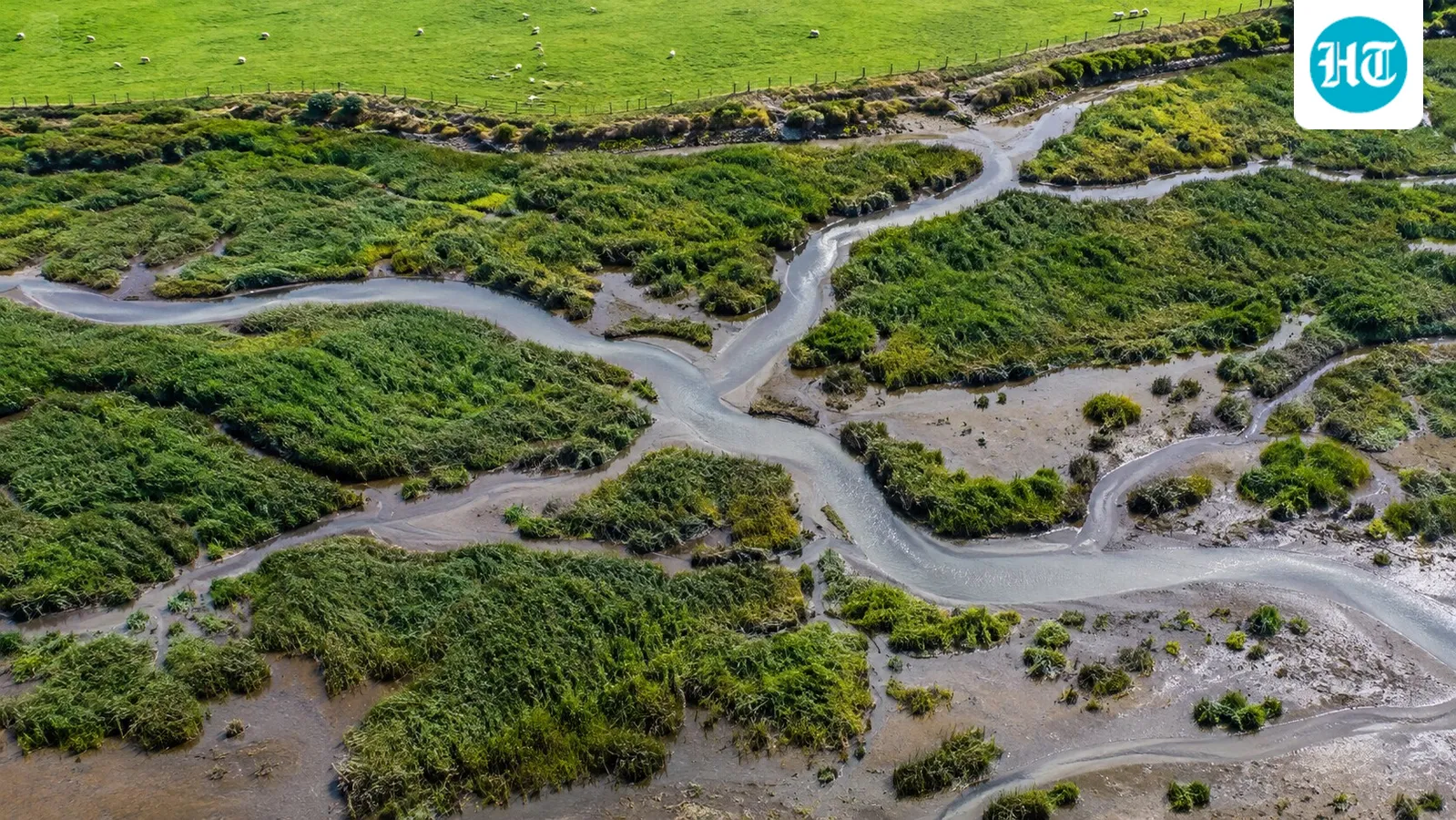
In the mid-20th century, New Zealand and China introduced cordgrass species to reclaim tidal wetlands for grazing and land development. In New Zealand, cordgrass planted since the 1940s spread aggressively, altering estuaries and affecting local ecosystems. Similarly, China introduced smooth cordgrass in 1979, which now covers about 68,000 hectares along its coast, reducing feeding and resting habitats for shorebirds. Both countries now recognize cordgrass as an invasive species with significant ecological impacts on coastal mudflats.

Sentiment
57%
TBN's observations

First-hand measurement across 2 sources

We measured how 2 outlets covered this story. No outlet gave this story a measurable political slant — there is no left–right reading to report. Overall sentiment is neutral (57/100). Lens Score 44/100.

Outlets measured: hindustantimes, hindustantimes. See how each one headlined and framed the same story in the source comparison below.

AI analysis of 2 sources · Published under editorial oversight by The Balanced News
Analysed 10 Oct 2026· How this analysis is produced· Editorial standards· Corrections

AI Analysis

Sentiment — Neutral (57/100)

Sentiment was consistent across outlets (52–62/100), indicating broadly factual reporting rather than editorialising.

Coverage timeline

hindustantimes broke this story on 9 Oct, 04:34 am. Other outlets followed.

9 Oct, 04:34 am2 sources · 23 h10 Oct, 03:37 am
AI analysis by the TBN Bias Engine · beat methodology byAniket Awate· Culture & Digital Media Writer· editorial standards byOjas Kale
← Previous
Delhi Education Minister and Shikhar Dhawan Open New STEM Lab in Janakpuri School
Next →
Bombay High Court Orders Enforcement of Neon Light Curfew Amid Light Pollution Concerns
1
hindustantimes9 Oct, 04:34 am
In 1979, China introduced smooth cordgrass to create coastal land; it now covers about 68,000 hectares and reduces feeding space for shorebirds
  • 2
    hindustantimes10 Oct, 03:37 am
    In 1940s New Zealand, cordgrass was planted to reclaim wetlands for grazing; it spread across tidal mudflats, forcing decades of eradication work
  • Who's involved

    Institutions and figures named across source coverage.

    Government
    National Forestry and Grassland AdministrationNew Zealand's Department of Conservation

    Story context

    Category
    Social
    Location
    New Zealand
    Sources analysed
    2
    Last analysed
    10 Oct 2026
    Key entities
    SpartinaPoaceaePlantMudflatWetlandMarshBirdWaderDepartment of Conservation (New Zealand)GrazingNew ZealandEstuary