Skip to content
Get the Balanced News app for a better experience!
The Balanced News Logo
Analytics
The Balanced News Logo

Stay Balanced, Stay Informed

Menu
  • Browse News
  • Underreported Stories
  • Curated Feeds
  • Insights
  • Analytics
  • Our Writers
  • About Us
  • Download App
Learn
  • How It Works
  • Bias Detection
  • Lens Score
  • Source Bias Checker
  • Accountability
  • Custom Feeds
Newsroom
  • Writers & Analysts
  • About TBN
  • Editorial Standards
  • Corrections Policy
  • Our Partners
  • Insights
Socials
  • Youtube
  • Instagram
  • X
  • Facebook
News Categories
  • Trending
  • Politics
  • Sports
  • Business
  • Tech
  • Entertainment
  • Health
  • Science
  • Crime
  • Lifestyle
  • National
  • International
  • Good News
  • Crypto

Get Our App

Available for iOS and Android


LensFeedsInsightsAnalyticsTrendingGood NewsSportsPoliticsBusinessCrimeTechEntertainmentHealthNationalInternational

© 2026 The Balanced News. All rights reserved.

About UsEditorial StandardsCorrectionsHelp & SupportPrivacy PolicyTerms & Conditions
Study Finds Over 34,000 Hourly Traffic Violations at Two Delhi Junctions
Categories

Categories

Related Coverage

Select a news story to see related coverage from other media outlets.

Related Coverage

Select a news story to see related coverage from other media outlets.

  1. Home
  2. /
  3. Social

Study Finds Over 34,000 Hourly Traffic Violations at Two Delhi Junctions

Analysed 10 Sept 2026·2 sources analysed·Delhi, India·Social
Study Finds Over 34,000 Hourly Traffic Violations at Two Delhi JunctionsPreviousNext

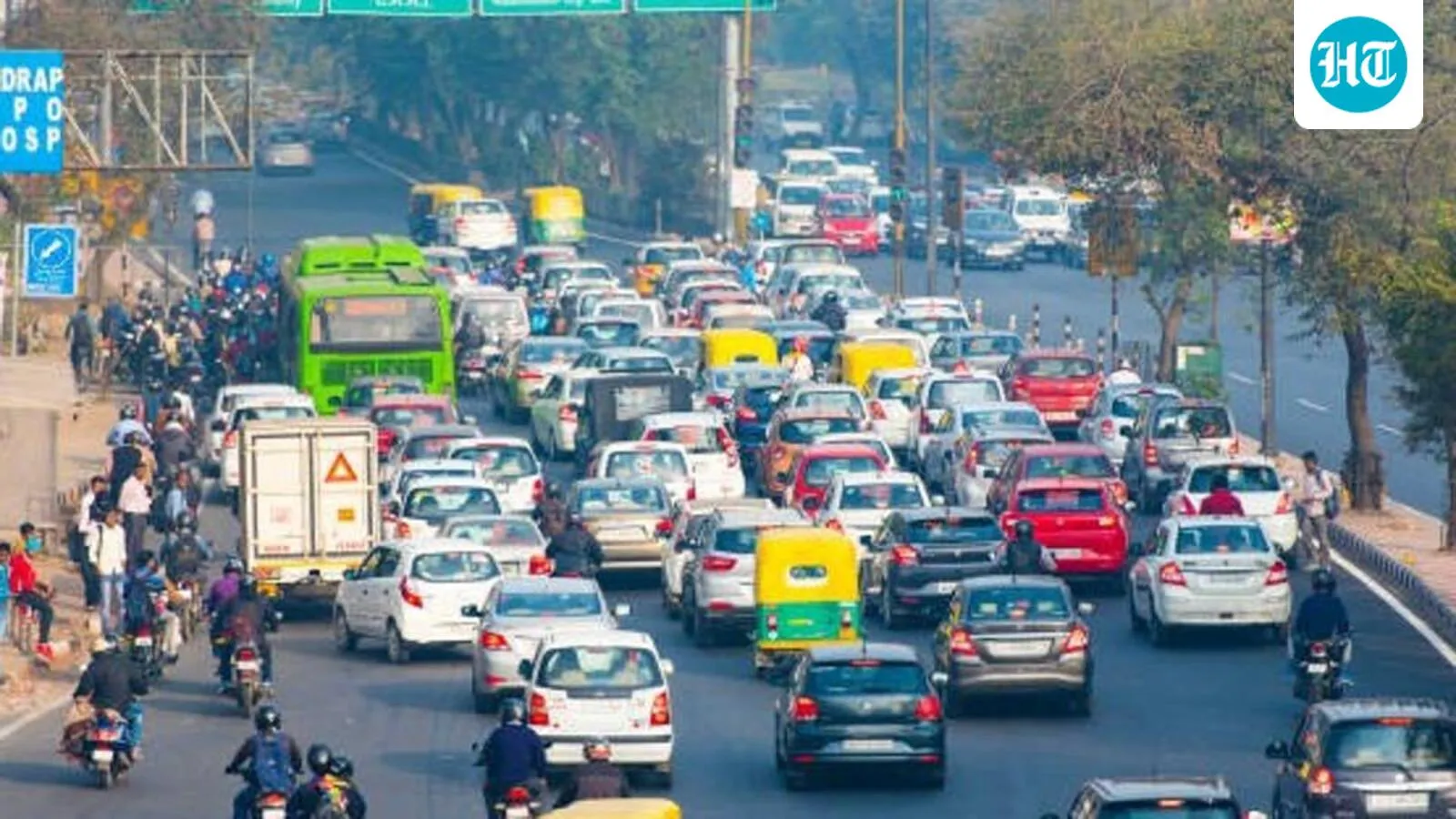
A study by the Institute of Road Traffic Education (IRTE) revealed over 34,000 traffic violations occur hourly at two major Delhi junctions, Govindpuri and Kotla Mubarakpur. Experts highlighted that enforcement focuses on limited violation categories, overlooking dangerous behaviors like rash driving and unsafe lane changes. They called for shifting road safety management from counting accidents and challans to proactively analyzing traffic behavior and near-miss incidents to prevent fatalities more effectively.

Sentiment
51%
TBN's observations

First-hand measurement across 2 sources

We measured how 2 outlets covered this story. No outlet gave this story a measurable political slant — there is no left–right reading to report. Overall sentiment is neutral (51/100). Lens Score 54/100.

Outlets measured: hindustantimes, thestatesman. See how each one headlined and framed the same story in the source comparison below.

AI analysis of 2 sources · Published under editorial oversight by The Balanced News
Analysed 10 Sept 2026· How this analysis is produced· Editorial standards· Corrections

AI Analysis

Sentiment — Neutral (51/100)

Sentiment was consistent across outlets (50–52/100), indicating broadly factual reporting rather than editorialising.

Coverage timeline

thestatesman broke this story on 9 Sept, 03:11 pm. Other outlets followed.

9 Sept, 03:11 pm2 sources · 13 h10 Sept, 04:10 am
  1. 1
AI analysis by the TBN Bias Engine · beat methodology byAniket Awate· Culture & Digital Media Writer· editorial standards byOjas Kale
← Previous
Institutions Commemorate Sardar Dyal Singh Majithia’s 128th Death Anniversary
Next →
International Nursing Leaders Attend Public Health Programme at PGIMER Chandigarh
thestatesman9 Sept, 03:11 pm
Over 34,000 traffic violations recorded every hour at just two Delhi junctions: IRTE study
  • 2
    hindustantimes10 Sept, 04:10 am
    Focus on dangerous traffic behaviour: Experts
  • Who's involved

    Institutions and figures named across source coverage.

    Government
    Ministry of Road Transport and HighwaysDelhi Traffic Police
    Enforcement
    Delhi Traffic Police

    Story context

    Category
    Social
    Location
    Delhi, India
    Sources analysed
    2
    Last analysed
    10 Sept 2026
    Key entities
    DelhiTrafficKotla Mubarakpur ComplexMinistry of Road Transport and HighwaysRoad traffic safetyTraffic policeRoad transportPolice Report (TV series)PlasticTraffic engineering (transportation)Forensic scienceFrequency