Indian Maharajas' Use of Luxury Trains and Custom Rolls-Royce Cars in Early 1900s
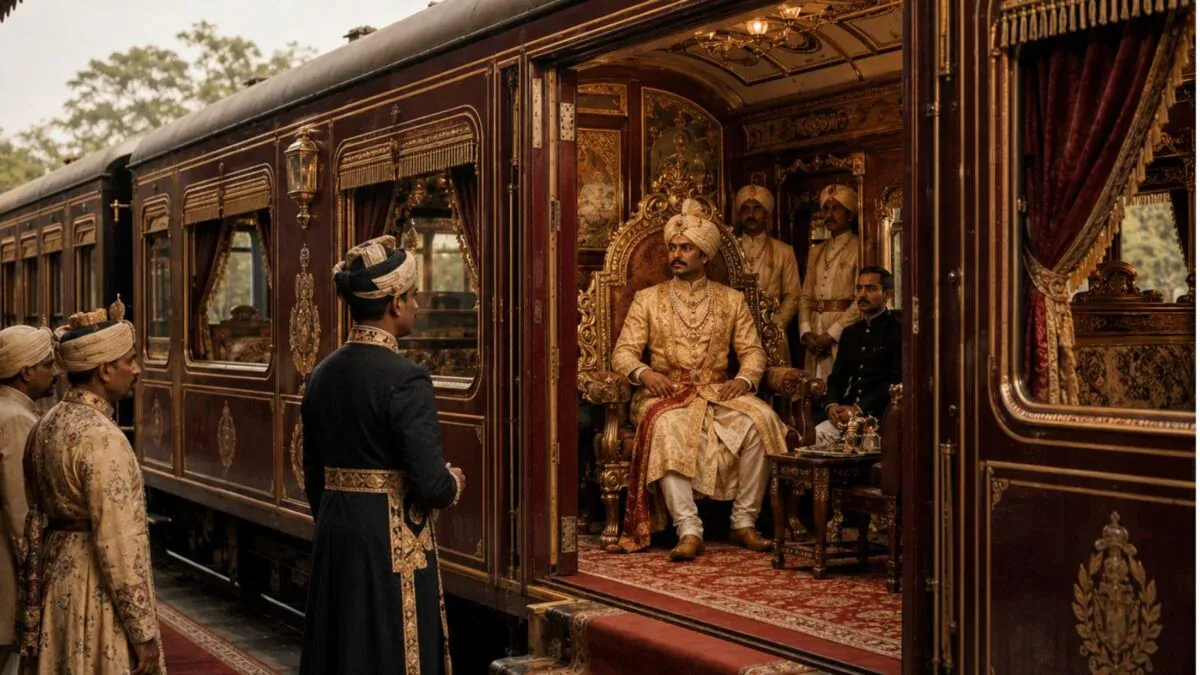
In the early 20th century, Indian maharajas showcased their status and progressive visions through luxury travel. Maharaja Sayajirao Gaekwad III of Baroda transformed a railway saloon into a mobile court with royal amenities, symbolizing power and modernity. Meanwhile, Maharaja Purna Chandra Bhanj Deo of Mayurbhanj owned a bespoke 1921 Rolls-Royce Silver Ghost, reflecting technological embrace and prestige. Both examples highlight how Indian royalty combined tradition with innovation in transportation.
First-hand measurement across 2 sources
We measured how 2 outlets covered this story. Coverage leans balanced overall (Left 0%, Centre 100%, Right 0%). Overall sentiment is positive (75/100). Lens Score 31/100 — low public interest.
Outlets analysed (first-hand measurement by TBN's Bias Engine):
- news18— balanced framing, positive sentiment
- news18— balanced framing, positive sentiment
AI Analysis
The articles primarily focus on historical and cultural aspects of Indian royalty without engaging in political discourse. They highlight progressive traits of the maharajas and their embrace of modern technology, presenting a neutral narrative centered on heritage and innovation rather than political viewpoints.
The tone across the articles is positive and celebratory, emphasizing the grandeur, innovation, and prestige associated with the maharajas' modes of travel. The coverage is appreciative of historical achievements without criticism, reflecting admiration for royal luxury and modernization efforts.
How 2 sources covered this story
Each source's own headline, political lean, and sentiment — so you can see framing differences at a glance.