India's 2026 Transgender Law Alters Gender Recognition and Affects Healthcare Access
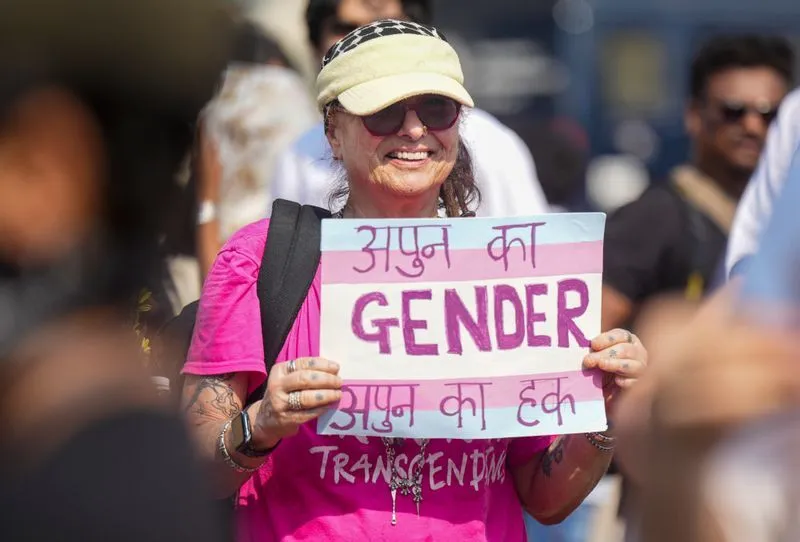
India's recent 2026 law change requires transgender individuals to obtain certification from a panel of doctors for legal gender recognition, replacing prior self-identification based on provider letters. This shift has led to disruptions in transgender healthcare, including suspended hormone therapies and delayed surgeries, as clinics and doctors express uncertainty about eligibility and legal responsibilities. While the government cites prevention of welfare misuse, activists and medical professionals warn the change may restrict access to essential care. The government and associated clinics have not commented on these concerns.
First-hand measurement across 2 sources
We measured how 2 outlets covered this story. Coverage leans left-leaning overall (Left 70%, Centre 25%, Right 5%). Overall sentiment is negative (30/100). Lens Score 35/100 — moderate-to-low public interest.
Outlets analysed (first-hand measurement by TBN's Bias Engine):
- thetelegraph— left-leaning framing, negative sentiment
- thetribune— left-leaning framing, negative sentiment
AI Analysis
The articles present perspectives from both the Indian government and transgender activists, reflecting official intentions to prevent welfare misuse alongside concerns about healthcare access. Sources include affected individuals, medical professionals, and legal experts, offering a balanced view without favoring any political stance. The coverage highlights policy changes and their social impact without partisan framing.
The overall tone is cautious and concerned, focusing on the challenges and uncertainties faced by transgender individuals and healthcare providers following the legal changes. While the government's rationale is noted, the sentiment leans toward highlighting disruptions and fears within the community and medical sector, resulting in a predominantly neutral to slightly negative coverage.