FIFA World Cup 2026 Spurs Extensive Security Surveillance and Privacy Concerns
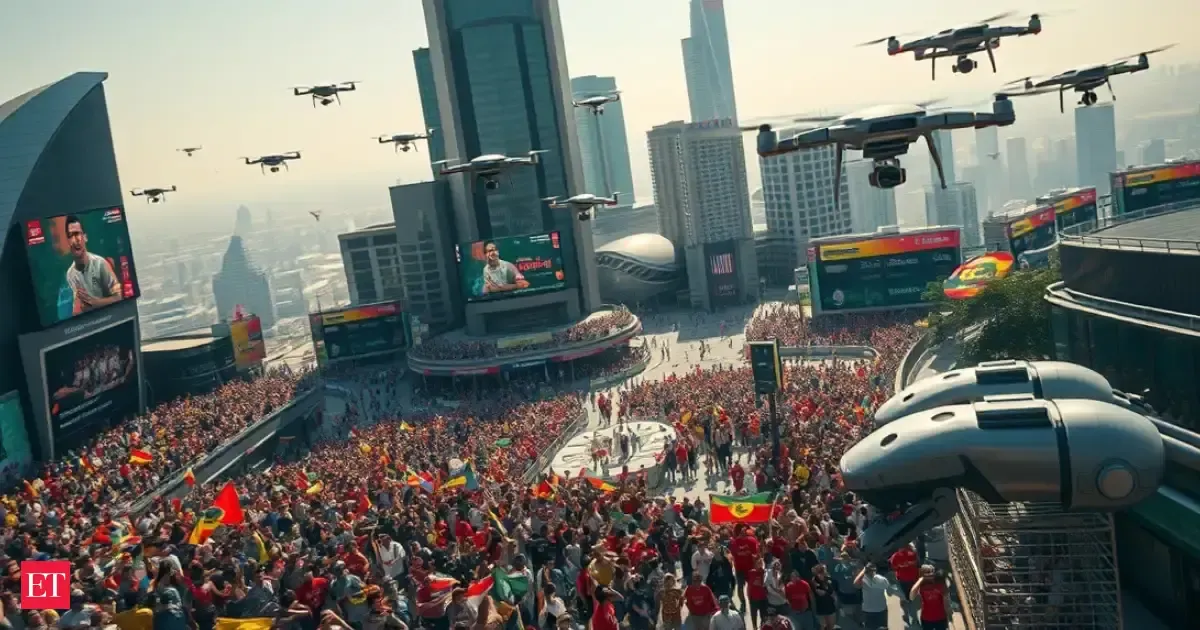
The 2026 FIFA World Cup in the United States has prompted over $1 billion in security investments, including facial recognition cameras, AI-powered drones, and data-monitoring technologies to protect venues and public areas. While officials emphasize these measures address modern threats like unauthorized drones, civil liberties groups express concern about privacy risks and the potential long-term use of surveillance systems beyond the event. The tournament has accelerated government-private partnerships in deploying advanced surveillance technologies, raising debates on balancing security and individual rights.
First-hand measurement across 2 sources
We measured how 2 outlets covered this story. Coverage leans centre-left overall (Left 55%, Centre 40%, Right 5%). Overall sentiment is neutral (38/100). Lens Score 33/100 — low public interest.
Outlets analysed (first-hand measurement by TBN's Bias Engine):
- thefinancialexpress— balanced framing, neutral sentiment
- economictimes— left-leaning framing, negative sentiment
AI Analysis
The articles present a range of perspectives, including government and security officials highlighting the necessity of advanced surveillance for public safety, and civil society groups cautioning against privacy infringements and potential human rights issues. The coverage balances the security rationale with concerns about civil liberties, reflecting both supportive and critical viewpoints without favoring a particular political stance.
The overall tone is mixed, combining acknowledgment of the importance of security measures with apprehension about privacy and civil rights implications. While the deployment of advanced technologies is portrayed as a significant development, there is clear concern from privacy advocates about the lasting impact of surveillance infrastructure, resulting in a nuanced sentiment across the articles.