Comparing Metro, Cab, and Bike Taxi Commutes in Delhi-NCR Rush Hours
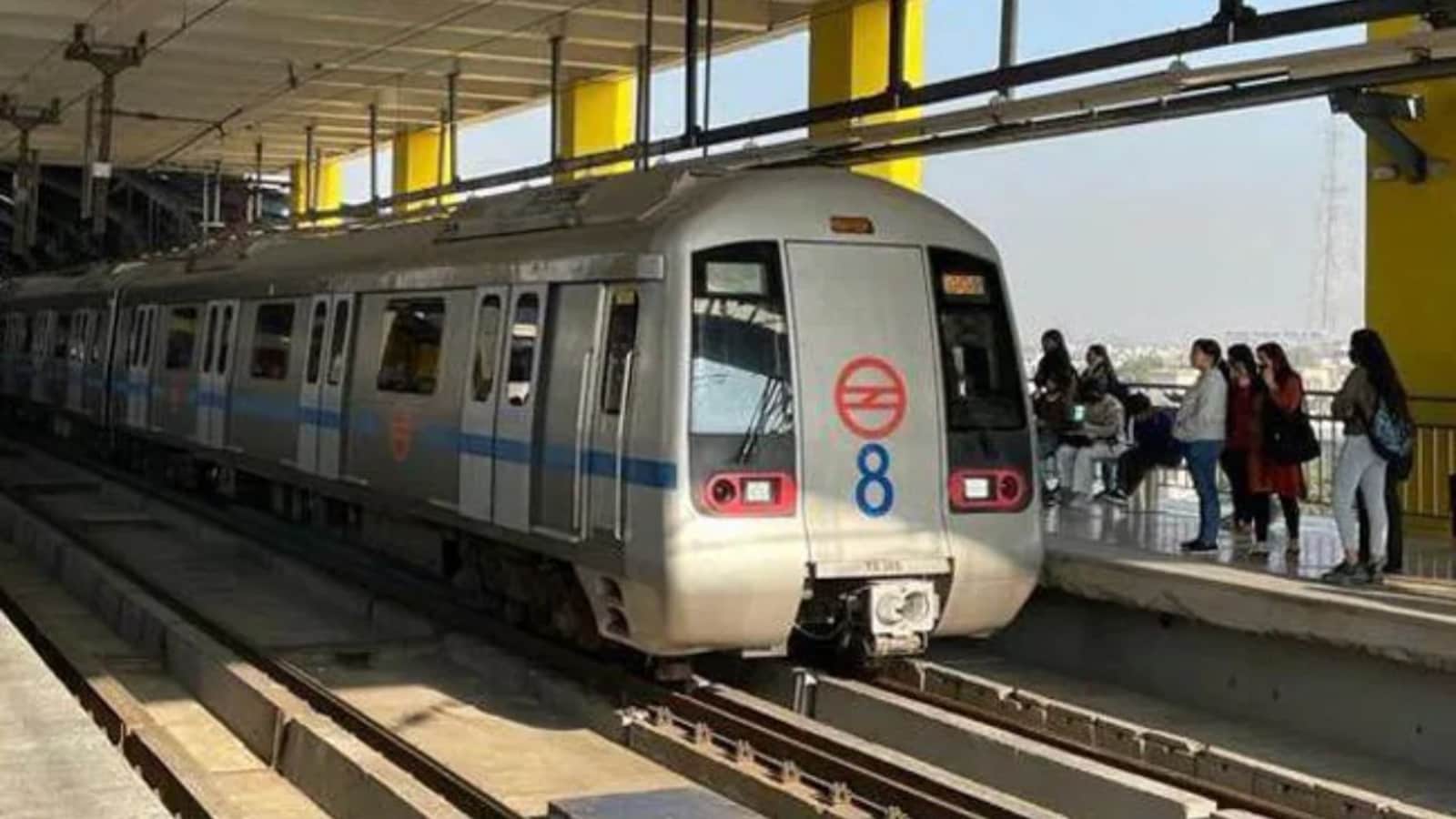
In Delhi-NCR, commuting options vary in cost, convenience, and travel time. The metro is often the cheapest and fastest during peak hours due to dedicated tracks but lacks last-mile connectivity, requiring additional transport like e-rickshaws or walking. Cabs provide comfort but face delays from traffic congestion, increasing travel time and costs. Bike taxis can navigate traffic efficiently for short trips but have limitations in weather and luggage capacity. Commuters balance these factors based on distance, urgency, and personal preferences.
First-hand measurement across 2 sources
We measured how 2 outlets covered this story. Coverage leans balanced overall (Left 0%, Centre 100%, Right 0%). Overall sentiment is neutral (60/100). Lens Score 21/100 — low public interest.
Outlets analysed (first-hand measurement by TBN's Bias Engine):
- indiatoday— balanced framing, neutral sentiment
- ndtv— balanced framing, neutral sentiment
AI Analysis
The articles present practical perspectives on commuting without political framing, focusing on user experiences and transport characteristics. They include viewpoints from daily commuters and general observations about infrastructure and traffic conditions, avoiding partisan or policy-driven narratives. The coverage emphasizes individual choices and challenges rather than government performance or political debate.
The overall tone is neutral and informative, highlighting both advantages and drawbacks of each transport mode. While acknowledging commuter frustrations like crowding and traffic delays, the articles maintain a balanced view by also noting benefits such as cost savings and travel time predictability. The sentiment reflects everyday realities without strong positive or negative bias.