Skip to content
Get the Balanced News app for a better experience!
The Balanced News Logo
Analytics
The Balanced News Logo

Stay Balanced, Stay Informed

Menu
  • Browse News
  • Underreported Stories
  • Curated Feeds
  • Insights
  • Analytics
  • Our Writers
  • About Us
  • Download App
Learn
  • How It Works
  • Bias Detection
  • Lens Score
  • Source Bias Checker
  • Accountability
  • Custom Feeds
Newsroom
  • Writers & Analysts
  • About TBN
  • Editorial Standards
  • Corrections Policy
  • Our Partners
  • Insights
Socials
  • Youtube
  • Instagram
  • X
  • Facebook
News Categories
  • Trending
  • Politics
  • Sports
  • Business
  • Tech
  • Entertainment
  • Health
  • Science
  • Crime
  • Lifestyle
  • National
  • International
  • Good News
  • Crypto

Get Our App

Available for iOS and Android


LensFeedsInsightsAnalyticsTrendingGood NewsSportsPoliticsBusinessCrimeTechEntertainmentHealthNationalInternational

© 2026 The Balanced News. All rights reserved.

About UsEditorial StandardsCorrectionsHelp & SupportPrivacy PolicyTerms & Conditions
Supreme Court Upholds Right to Walk Amid Challenges in Indian Urban Footpaths
Categories

Categories

Related Coverage

Select a news story to see related coverage from other media outlets.

Related Coverage

Select a news story to see related coverage from other media outlets.

  1. Home
  2. /
  3. Social

Supreme Court Upholds Right to Walk Amid Challenges in Indian Urban Footpaths

Analysed 5 Jul 2026·2 sources analysed·Lucknow, India·Social
Supreme Court Upholds Right to Walk Amid Challenges in Indian Urban FootpathsNext

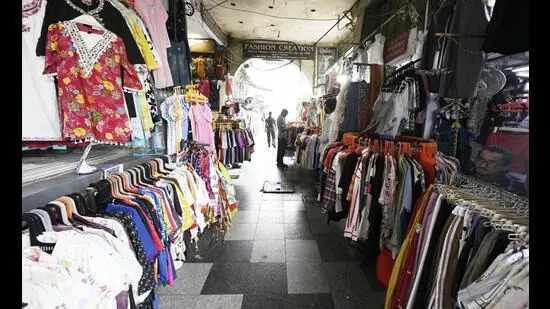
Following the Supreme Court's declaration that walking on safe, demarcated footpaths is a fundamental right, surveys and analyses reveal persistent challenges for pedestrians in Indian cities. In Lucknow, footpaths are often encroached upon by vendors, vehicles, and poor maintenance, forcing pedestrians onto busy roads. Experts highlight that despite walking being a primary mode of urban transport, Indian cities prioritize vehicle infrastructure over pedestrian-friendly streets, underscoring the need for comprehensive urban planning that protects and promotes pedestrian rights.

TBN's observations

First-hand measurement across 2 sources

We measured how 2 outlets covered this story. Coverage leans balanced overall (Left 25%, Centre 70%, Right 5%). Overall sentiment is neutral (50/100). Lens Score 39/100 — moderate-to-low public interest.

Outlets analysed (first-hand measurement by TBN's Bias Engine):

  • scrollin— balanced framing, neutral sentiment
  • hindustantimes— balanced framing, neutral sentiment
Political Bias
25%70%5%
Sentiment
50%
AI analysis of 2 sources · Published under editorial oversight by The Balanced News
Analysed 5 Jul 2026· How this analysis is produced· Editorial standards· Corrections

AI Analysis

Political bias across 2 sources
● Left 25%● Center 70%● Right 5%

The article group presents perspectives emphasizing the Supreme Court's ruling as a significant legal development supporting pedestrian rights. Coverage includes critiques of urban planning priorities, highlighting governmental and civic authorities' responsibilities without partisan framing. Both sources focus on systemic urban infrastructure issues rather than political actors, maintaining a policy and rights-based discourse.

Sentiment — Neutral (50/100)

The overall tone is measured and analytical, acknowledging the positive legal recognition of pedestrian rights while critically addressing ongoing infrastructural shortcomings. The sentiment balances optimism about the court's judgment with concern over practical challenges faced by pedestrians, resulting in a nuanced, constructive coverage without overtly positive or negative bias.

How 2 sources covered this story

Reviewed byAniket Awate· Culture & Digital Media Writer· Edited byOjas Kale
Next →
Darjeeling Himalayan Railway Celebrated with Cultural Events on Toy Train Day

Each source's own headline, political lean, and sentiment — so you can see framing differences at a glance.

SourceTheir headlineBiasSentiment
scrollinThe Supreme Court's right-to-walk judgment should change how Indian cities build roadsCenterNeutral
hindustantimesLittle room for walkers: Vendors and vehicles hijack footpathsCenterNeutral

Coverage timeline

hindustantimes broke this story on 4 Jul, 03:28 am. Other outlets followed.

  1. 1
    hindustantimes4 Jul, 03:28 am
    Little room for walkers: Vendors and vehicles hijack footpaths
  2. 2
    scrollin5 Jul, 01:13 am
    The Supreme Court's right-to-walk judgment should change how Indian cities build roads

Lens Score breakdown

39/100
Public interest0/100
Coverage gap100%

Story is receiving appropriate media attention relative to public interest.

Accountability flags

TBN's analysis identified the following accountability dimensions in this story.

  • systemic failure

    This story points to a failure in institutional processes — regulation, safety, oversight, or service delivery breaking down at scale.

  • public safety issue

    This story involves a risk to public safety — infrastructure failure, regulatory lapse, hazardous conditions, or emergency mishandling.

Who's involved

Institutions and figures named across source coverage.

Government
Traffic PoliceSupreme CourtNorthern RailwaySewerage AgenciesTelecom AgenciesElectricity DistributorsMetro AgenciesPublic Works DepartmentsWater AgenciesMunicipal CorporationsCivic AuthoritiesUrban Local Bodies
Enforcement
Traffic Police
Judiciary
Supreme Court

Story context

Category
Social
Location
Lucknow, India
Sources analysed
2
Last analysed
5 Jul 2026
Key entities
FootpathPedestrianUrban planningRapid transitHazratganjFundamental rightsSupreme Court of IndiaLucknowHindustan TimesIndira Nagar, LucknowMunicipal governance in IndiaMotor vehicle