Exempt Coal Plants Account for Majority of SO2 Emissions Near Delhi-NCR
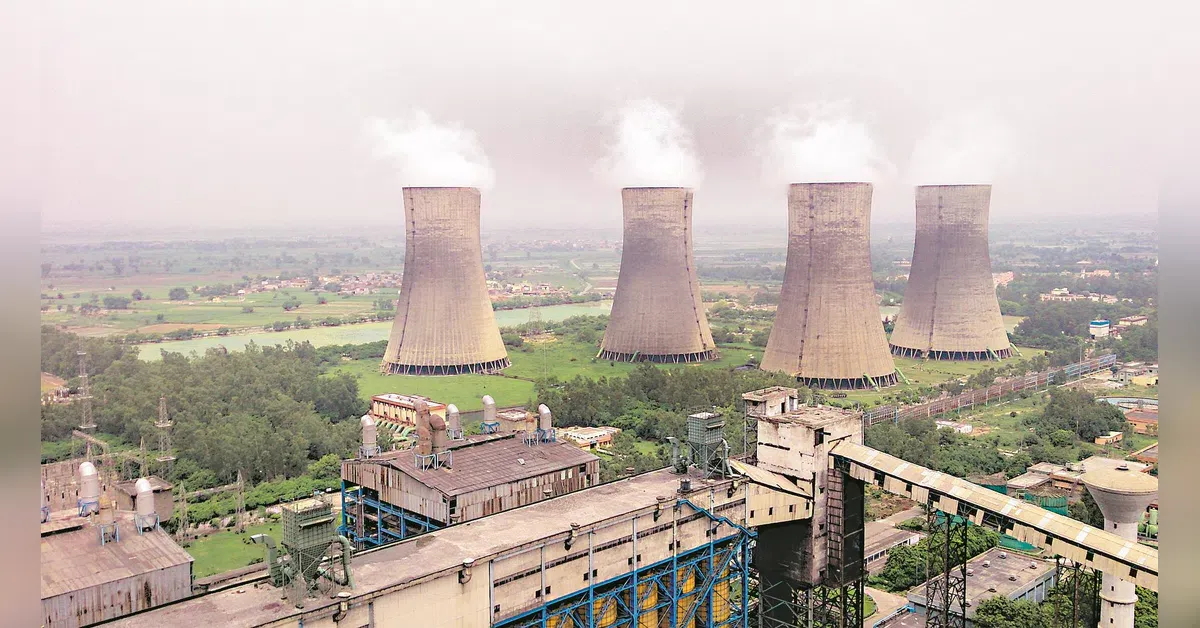
A recent analysis by the Centre for Research on Energy and Clean Air (CREA) found that coal-fired power plants within 300 km of Delhi-NCR, especially those exempted from installing flue gas desulphurisation (FGD) systems, contribute about 81% of sulphur dioxide (SO2) emissions in the region. Despite emission norms introduced in 2015, exemptions granted in 2021 and 2025 have allowed many plants, mainly Category C, to avoid installing FGD technology, raising concerns over air quality and health impacts in the capital area.
First-hand measurement across 3 sources
We measured how 3 outlets covered this story. Coverage leans balanced overall (Left 38%, Centre 60%, Right 2%). Overall sentiment is negative (32/100). Lens Score 29/100 — low public interest.
Outlets analysed (first-hand measurement by TBN's Bias Engine):
- thetribune— balanced framing, neutral sentiment
- indianexpress— left-leaning framing, negative sentiment
- businessstandard— balanced framing, neutral sentiment
AI Analysis
The articles primarily present environmental and regulatory perspectives, focusing on government policies regarding emission controls and exemptions. They include viewpoints from an independent research organization (CREA) and reference official government notifications without partisan framing. The coverage highlights regulatory decisions and their environmental consequences without aligning with specific political parties or ideologies.
The overall tone across the articles is cautionary and concerned, emphasizing the environmental and health risks posed by unchecked sulphur dioxide emissions. While the reports stress regulatory shortcomings and exemptions, the language remains factual and measured, avoiding sensationalism. The sentiment reflects awareness of pollution challenges rather than overt criticism or optimism.