Cases of Twisha Sharma and Siya Goyal Highlight Marriage, Violence, and Women's Autonomy in India
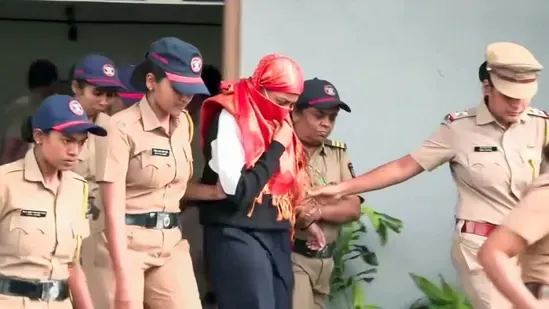
Two recent cases involving young women, Twisha Sharma and Siya Goyal, highlight complex issues surrounding marriage, domestic violence, and societal pressures in India. Twisha's suspicious death in her in-laws' home has raised concerns about abuse and evidence tampering, while Siya faces allegations of conspiring in her fiancé's death amid claims of coercion into marriage. These incidents underscore challenges related to patriarchal norms, women's autonomy, and the societal emphasis on marriage, prompting calls for thorough investigations and broader discussions on women's rights and empowerment.
First-hand measurement across 2 sources
We measured how 2 outlets covered this story. Coverage leans left-leaning overall (Left 70%, Centre 28%, Right 2%). Overall sentiment is neutral (35/100). Lens Score 23/100 — low public interest.
Outlets analysed (first-hand measurement by TBN's Bias Engine):
- hindustantimes— left-leaning framing, negative sentiment
- timesnow— left-leaning framing, neutral sentiment
AI Analysis
The articles present perspectives focusing on societal and legal challenges faced by women in India, particularly regarding marriage and autonomy. One article emphasizes systemic patriarchal pressures and the need for justice in domestic violence cases, while the other critiques societal and feminist movement shortcomings in addressing women's free will. Both viewpoints highlight gender-related issues without aligning with specific political ideologies, reflecting social and legal concerns.
The overall tone across the articles is serious and critical, addressing troubling incidents involving violence and coercion linked to marriage. While the coverage is somber due to the nature of the cases, it also includes calls for empowerment and justice, resulting in a mixed sentiment that combines concern, critique, and advocacy for women's rights.