Skip to content
Get the Balanced News app for a better experience!
The Balanced News Logo
Analytics
The Balanced News Logo

Stay Balanced, Stay Informed

Menu
  • Browse News
  • Underreported Stories
  • Curated Feeds
  • Insights
  • Analytics
  • Our Writers
  • About Us
  • Download App
Learn
  • How It Works
  • Bias Detection
  • Lens Score
  • Source Bias Checker
  • Accountability
  • Custom Feeds
Newsroom
  • Writers & Analysts
  • About TBN
  • Editorial Standards
  • Corrections Policy
  • Our Partners
  • Insights
Socials
  • Youtube
  • Instagram
  • X
  • Facebook
News Categories
  • Trending
  • Politics
  • Sports
  • Business
  • Tech
  • Entertainment
  • Health
  • Science
  • Crime
  • Lifestyle
  • National
  • International
  • Good News
  • Crypto

Get Our App

Available for iOS and Android


LensFeedsInsightsAnalyticsTrendingGood NewsSportsPoliticsBusinessCrimeTechEntertainmentHealthNationalInternational

© 2026 The Balanced News. All rights reserved.

About UsEditorial StandardsCorrectionsHelp & SupportPrivacy PolicyTerms & Conditions
GPS Study Reveals Extensive Elephant Ranges and Habitat Use in Assam
Categories

Categories

Related Coverage

Select a news story to see related coverage from other media outlets.

Related Coverage

Select a news story to see related coverage from other media outlets.

  1. Home
  2. /
  3. Social

GPS Study Reveals Extensive Elephant Ranges and Habitat Use in Assam

Analysed 12 Oct 2026·2 sources analysed·Udalguri district, India·Social
GPS Study Reveals Extensive Elephant Ranges and Habitat Use in AssamPreviousNext

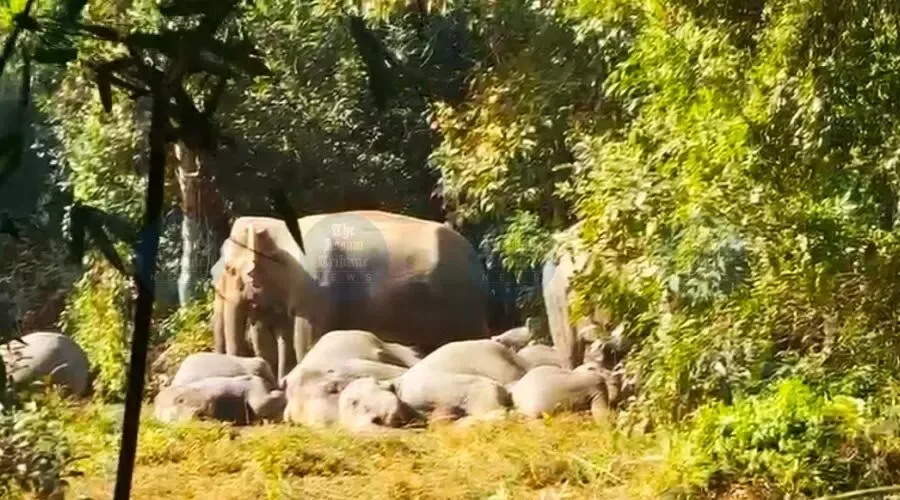
A GPS telemetry study by the Assam Forest Department and WWF-India tracked five elephants across Udalguri, Sonitpur, and Biswanath districts from 2021 to 2026. The research revealed that elephants roam beyond forests into tea gardens, farmlands, and settlements, with some herds covering over 500 sq km annually. Seasonal movements vary by district, influenced by crop availability. The findings highlight the need for landscape-wide conservation and human-elephant conflict management strategies in Assam.

Sentiment
60%
TBN's observations

First-hand measurement across 2 sources

We measured how 2 outlets covered this story. No outlet gave this story a measurable political slant — there is no left–right reading to report. Overall sentiment is neutral (60/100). Lens Score 45/100.

Outlets measured: theassamtribune, thestatesman. See how each one headlined and framed the same story in the source comparison below.

AI analysis of 2 sources · Published under editorial oversight by The Balanced News
Analysed 12 Oct 2026· How this analysis is produced· Editorial standards· Corrections

AI Analysis

Sentiment — Neutral (60/100)

Sentiment was consistent across outlets (52–68/100), indicating broadly factual reporting rather than editorialising.

Coverage timeline

thestatesman broke this story on 12 Oct, 03:01 am. Other outlets followed.

12 Oct, 03:01 am2 sources · 58 min12 Oct, 03:59 am
  1. 1
AI analysis by the TBN Bias Engine · beat methodology byAniket Awate· Culture & Digital Media Writer· editorial standards byOjas Kale
← Previous
Lucknow Floodwaters Recede; Clean-Up and Embankment Survey Underway
Next →
Extreme Weather and Infrastructure Risks Rise in Himalayan Regions
thestatesman12 Oct, 03:01 am
Where the Elephants Walk
  • 2
    theassamtribune12 Oct, 03:59 am
    GPS study maps Assam elephant ranges over 500 sq km, highlights conflict risks
  • Who's involved

    Institutions and figures named across source coverage.

    Government
    Assam Forest Department

    Story context

    Category
    Social
    Location
    Udalguri district, India
    Sources analysed
    2
    Last analysed
    12 Oct 2026
    Key entities
    Udalguri districtSonitpur districtHome rangeHabitatGlobal Positioning SystemElephantTeaAssamBiswanath districtAgricultural landGrasslandForest